
 Antigua and Barbuda
Photo by Dr. Thomas Liptak, CC BY 4.0, via Wikimedia Commons. Resized for this page.
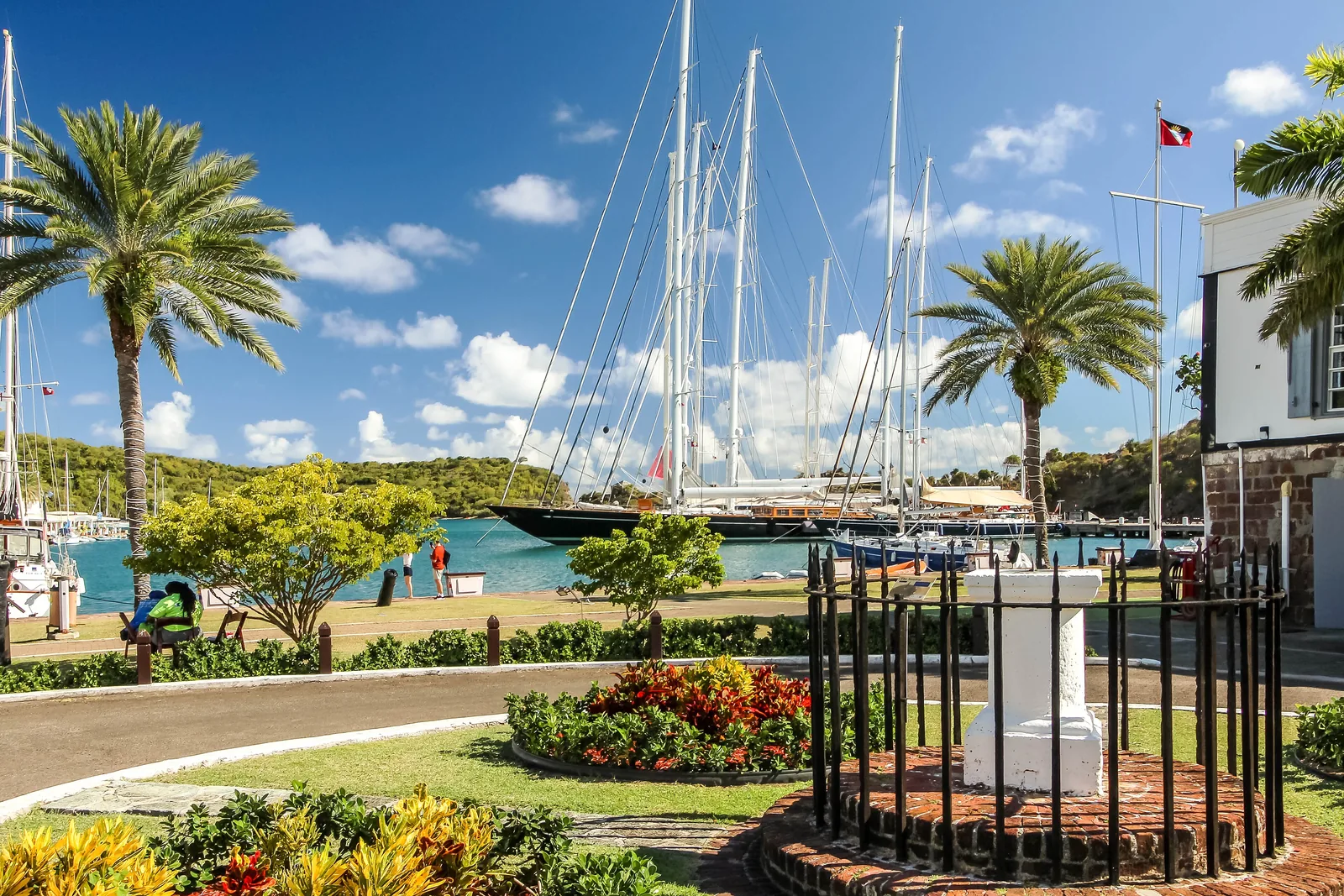
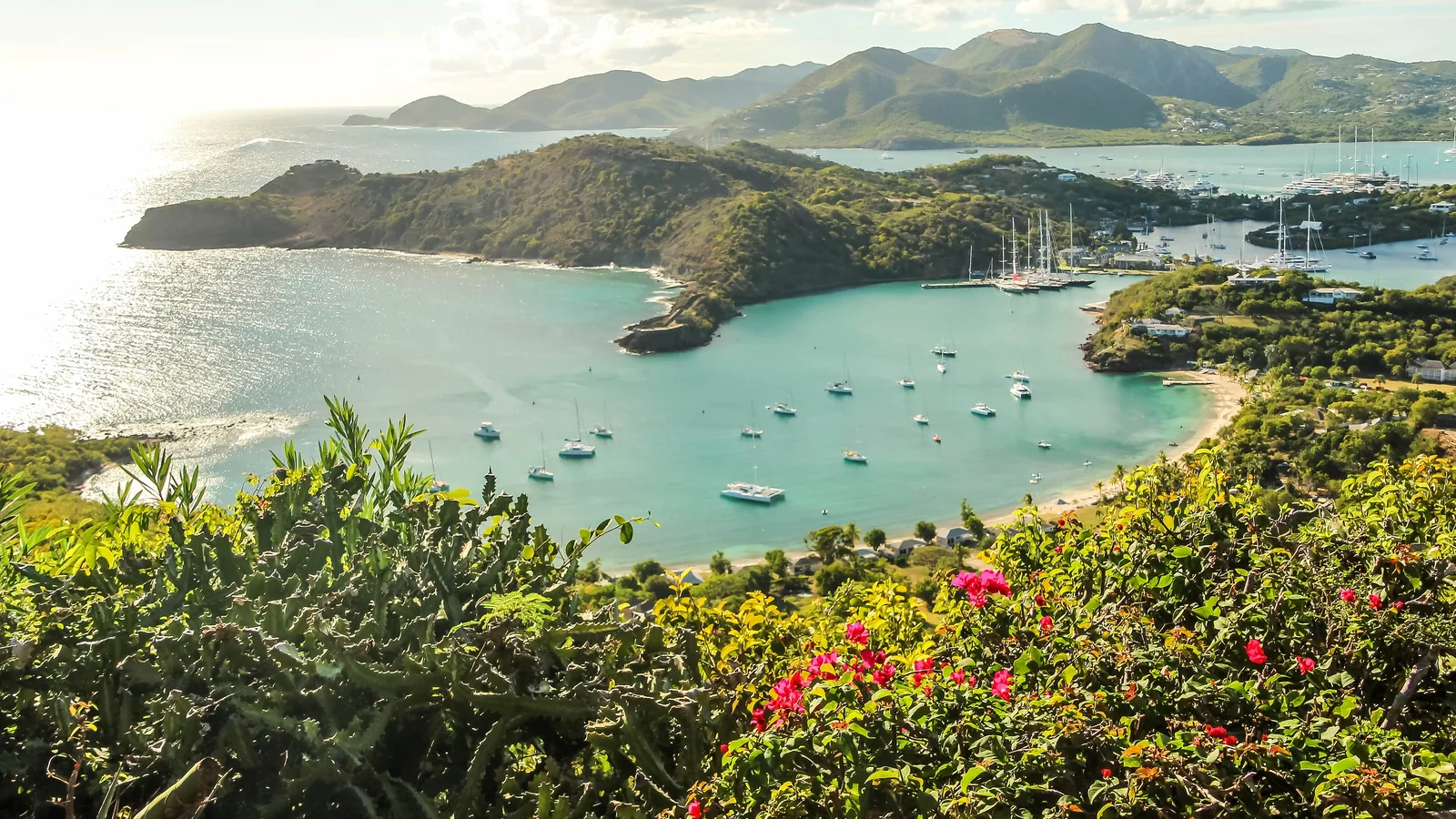
Antigua and Barbuda is a two-island nation in the eastern Caribbean, known for powdery beaches, sheltered harbors and a relaxed island pace. English is the official language. Antigua's coast is scalloped with bays and reefs, while St. John's, the capital, is the gateway to markets, waterfront streets and nearby beach strips. In the south, Nelson's Dockyard in English Harbour, a UNESCO World Heritage Site, is a beautifully restored Georgian naval yard still used by yachts today.
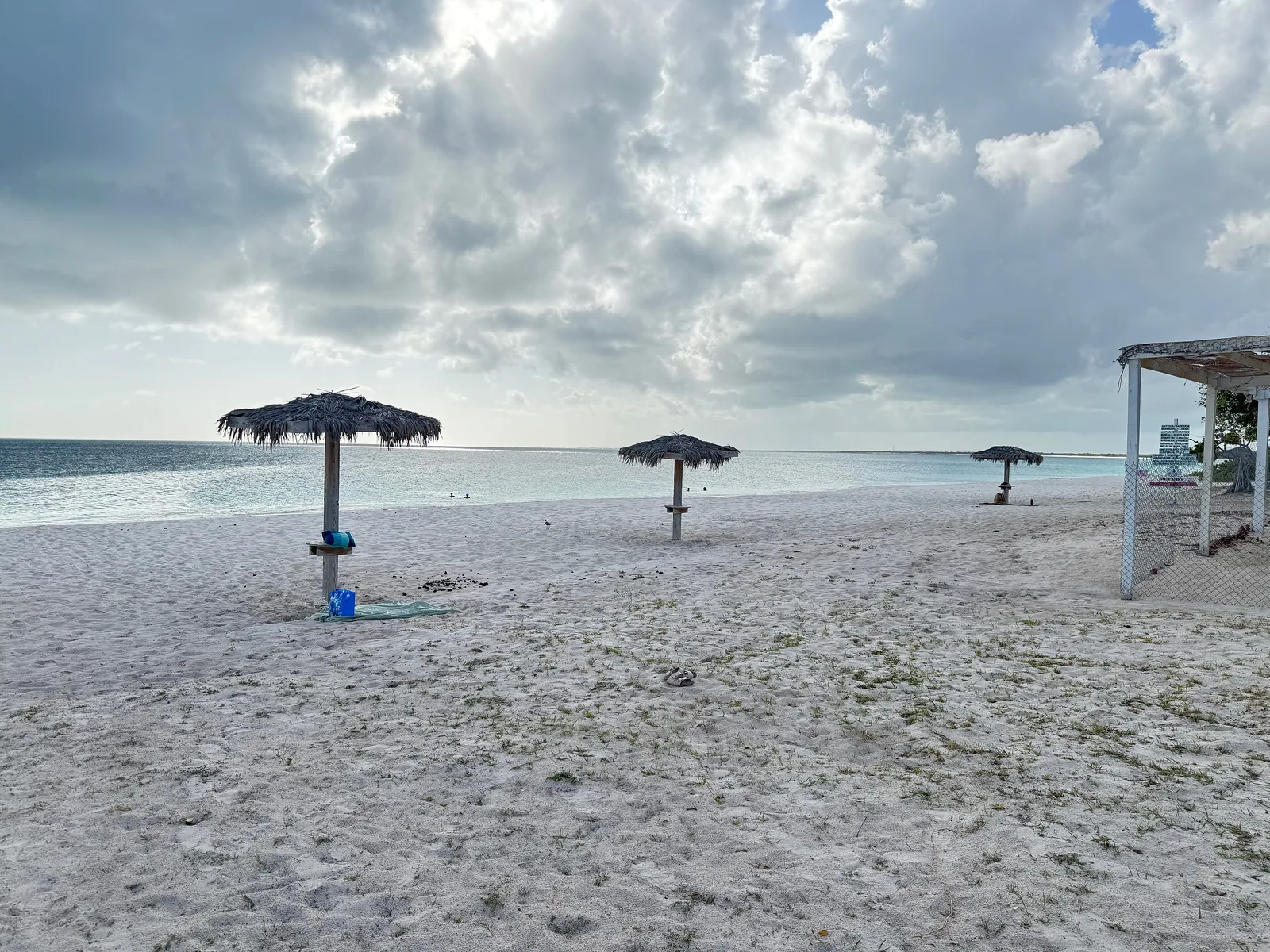
Barbuda, a short hop north, is much quieter, with a long pink-sand beach, a frigate bird sanctuary and a sense of unhurried space. On Antigua, travelers also come to sail, snorkel and take in the views from Shirley Heights, especially at the weekly late-afternoon music gathering.
The dry season, roughly December to April, is the most popular time to visit. June to November is the hurricane season, when weather can be less predictable.
Antigua and Barbuda
 Antigua and Barbuda
 Antigua and Barbuda
: Money
Antigua and Barbuda's currency is the East Caribbean dollar (XCD), often written as EC$. It is issued by the Eastern Caribbean Central Bank and is pegged to the US dollar. US dollars are widely accepted in tourist areas.
- Cash vs. card: Cards are accepted at many hotels, restaurants and larger shops, especially around St. John's, English Harbour and the main beach resorts. Carry cash for taxis, market stalls, smaller restaurants and travel to Barbuda. When a price is quoted with a dollar sign, confirm whether it is in East Caribbean or US dollars; change is often given in local currency.
- ATMs and fees: ATMs are easiest to find in St. John's and other tourist areas on Antigua, and they generally dispense East Caribbean dollars. Machines are limited or may be unavailable on Barbuda, so withdraw what you need before you go. Local and home-bank fees are common, so fewer, larger withdrawals usually work better.
- Tipping: Hotels and restaurants often add a service charge of around 10%. If it is already on the bill, an extra tip is optional and appreciated for good service. If not, around 10 to 15% in restaurants is a kind gesture. Tour guides and drivers are typically tipped in cash.
- Exchanging money: Banks and hotel desks are the most practical places to exchange cash. Clean US dollar notes are the easiest foreign currency to use or change. Choose to be charged in East Caribbean dollars if a card machine or ATM offers a conversion to your home currency.