
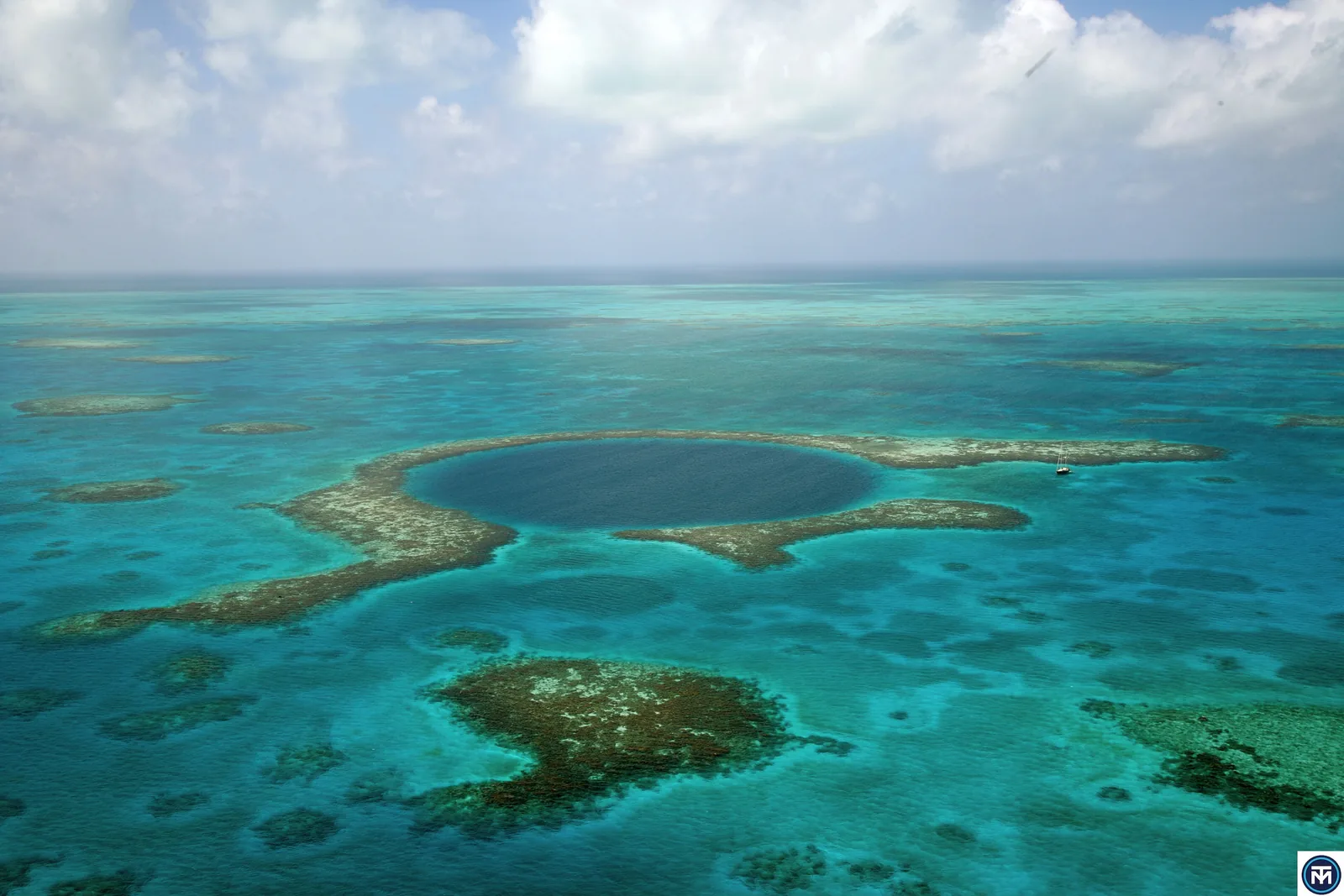
 Belize
Photo by The TerraMar Project, CC BY 2.0, via Wikimedia Commons. Resized for this page.
Belize sits on the Caribbean coast of Central America, where rainforest, Maya ruins and a spectacular barrier reef come together in a compact, English-speaking country. English is the official language, and Spanish, Kriol and Maya languages are also widely heard. Offshore, the Belize Barrier Reef, part of the Mesoamerican Barrier Reef and a UNESCO World Heritage Site, is a world of coral, blue holes and easygoing islands such as Ambergris Caye and Caye Caulker.
Inland, travelers explore Maya sites including Xunantunich, Lamanai and Caracol, paddle through cave systems such as Actun Tunichil Muknal, and visit jungle lodges around San Ignacio. The country is also a strong destination for birdwatching, river trips and time on the beach.
The dry season, roughly December to April, is the most popular time for both the cayes and the interior. The rainy months can still be rewarding, with greener landscapes and fewer visitors, though some forest roads are slower going.
Belize
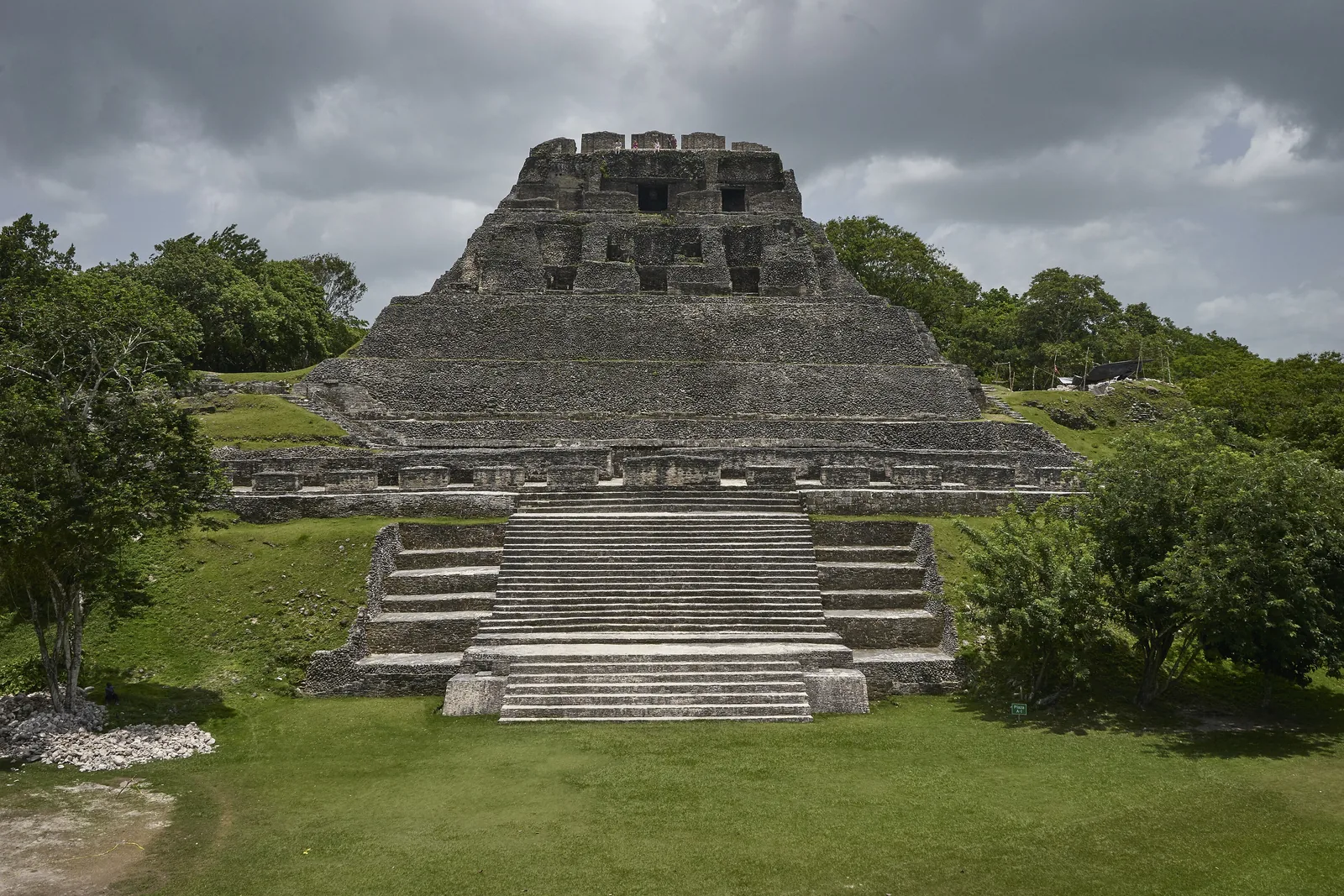 Belize
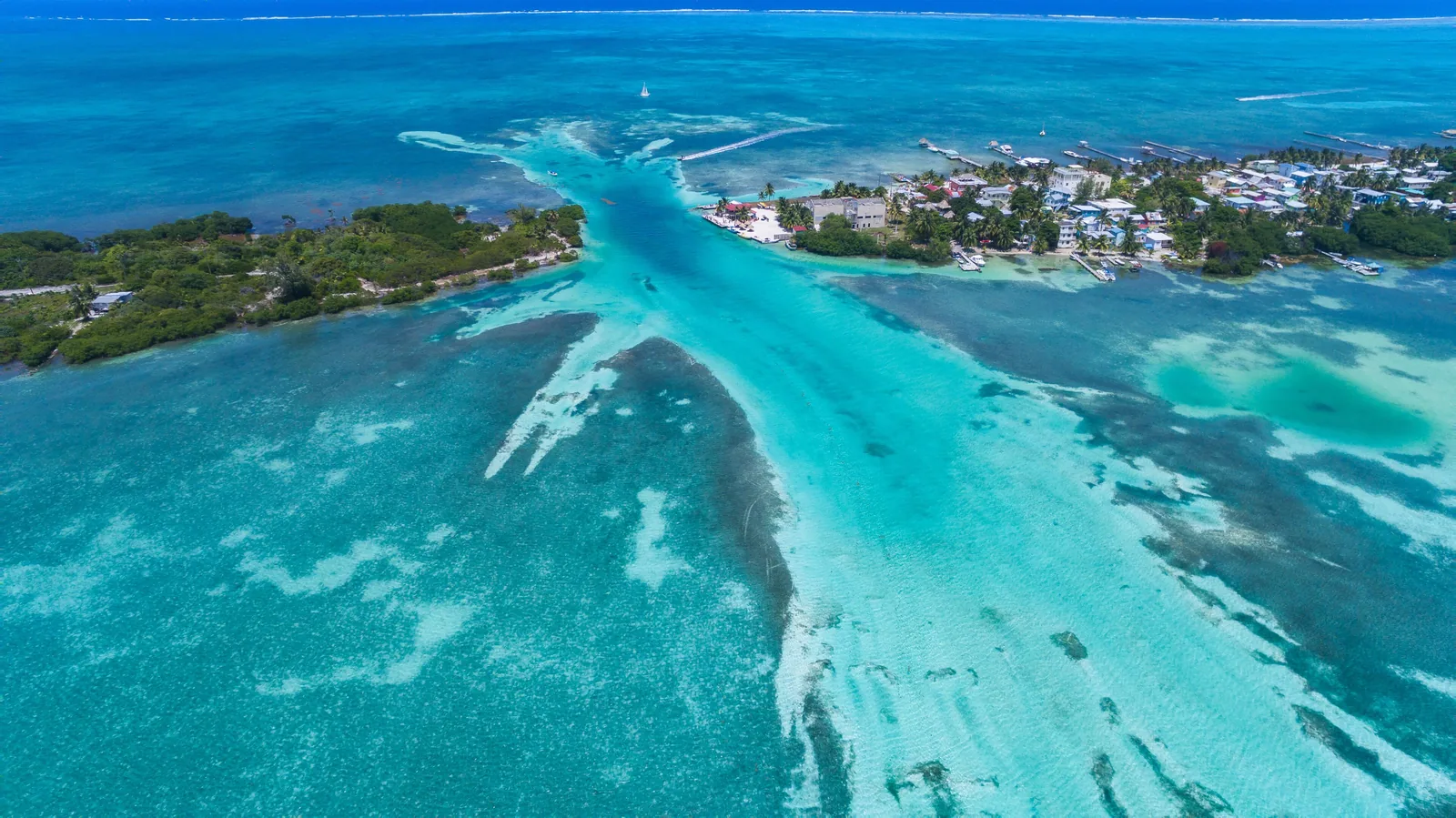 Belize
: Money
Belize's currency is the Belize dollar (BZD), often written as BZ$. It is pegged to the US dollar, and US dollars are widely accepted across the country.
- Cash vs. card: Cards are accepted at many hotels, dive shops and restaurants in San Pedro, Caye Caulker, Belize City and San Ignacio, but cash is essential for buses, water taxis, smaller eateries and inland tours. Confirm whether a price is in Belize or US dollars. Change is often given in Belize dollars, even if you pay in US currency, so keep some small bills of both.
- ATMs and fees: ATMs are easiest to find in Belize City, San Pedro, San Ignacio and a few other towns. They can be scarce in villages and at some caye or jungle lodges, so withdraw before heading out. Fees may apply, and not every machine accepts every foreign card.
- Tipping: Around 10% is appreciated in restaurants when a service charge is not already included. A service charge is sometimes added in tourist restaurants, so check the bill. Dive and tour guides are typically tipped in cash.
- Exchanging money: Because of the peg, many visitors use US dollars and Belize dollars side by side. Banks and licensed cambios are the safest places to exchange other currencies. Avoid informal street offers.
- Common scams: Confirm the currency before you pay, especially in busy tourist spots, and count your change carefully.