
 Canada
Photo by Wilfredor, CC0 1.0, via Wikimedia Commons. Resized for this page.
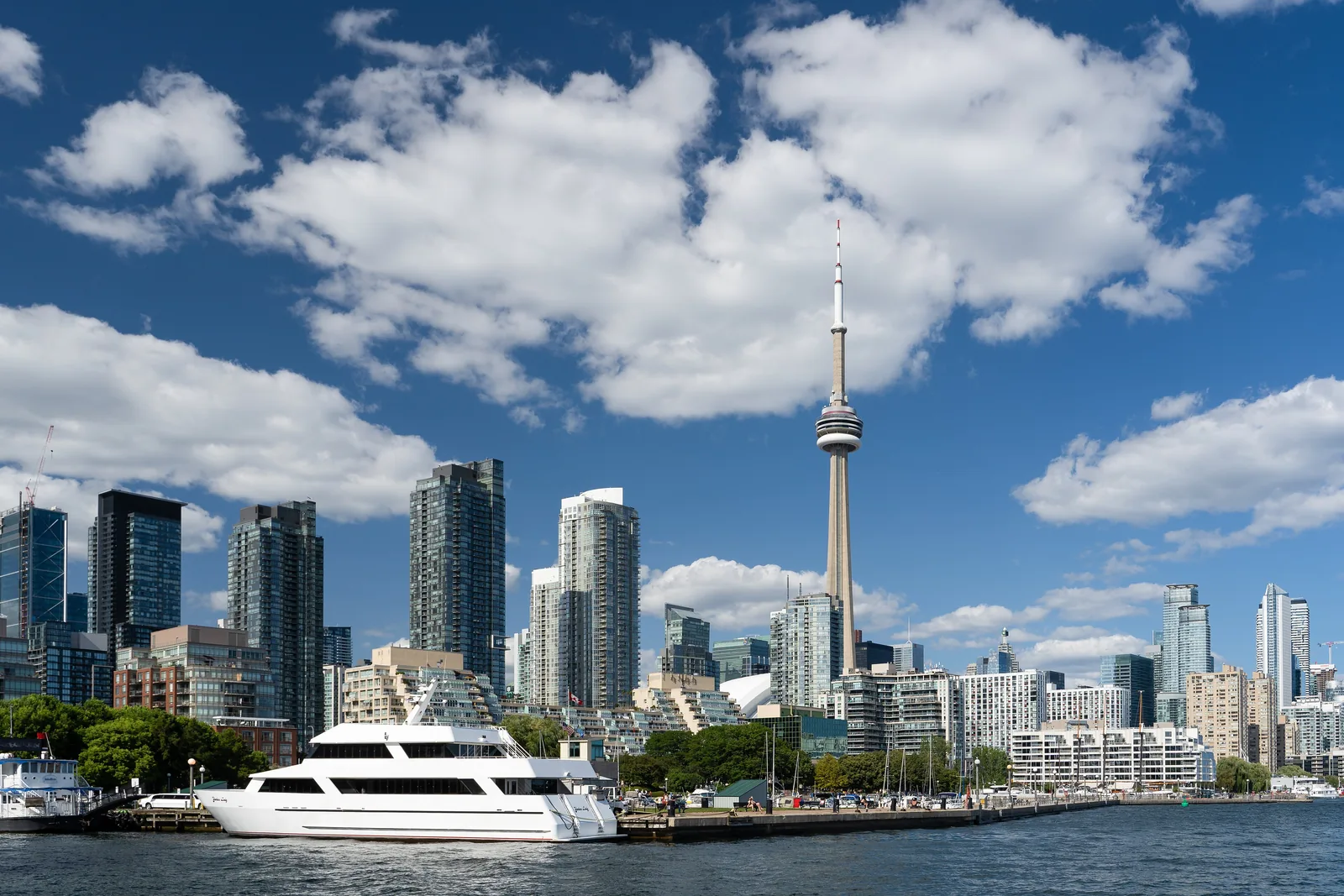
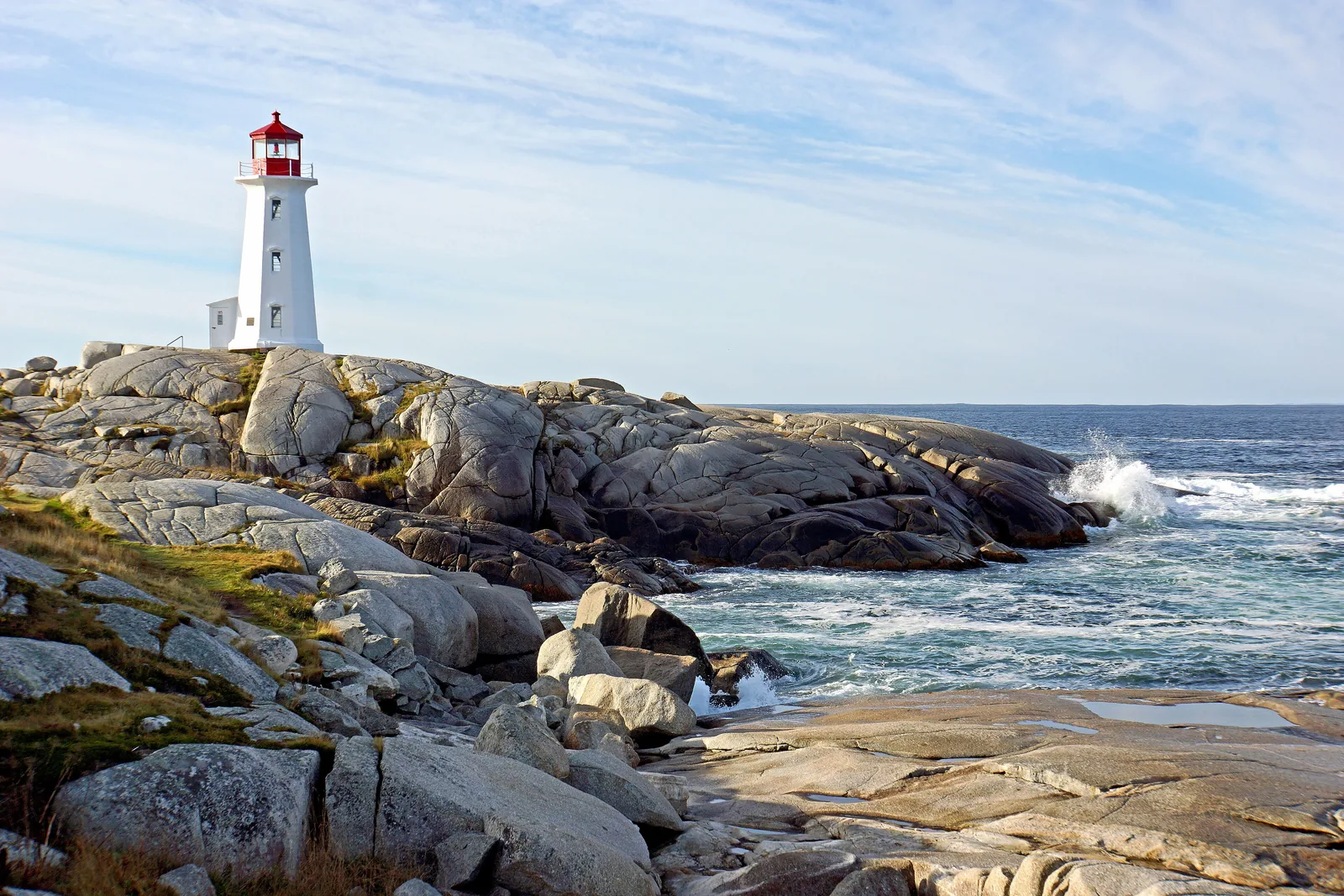
Canada stretches from the Atlantic to the Pacific and north into the Arctic, a vast country of mountains, forests, prairie and ice. English and French are the official languages. Cities such as Toronto, Montreal, Vancouver and Quebec City offer museums, food and neighborhoods with a distinctly local flavor, while iconic natural sights include the Canadian Rockies, Niagara Falls and the rugged coasts of the Atlantic provinces and British Columbia.
Travelers come to hike and ski in the national parks, to see wildlife, and to experience the contrast between lively urban neighborhoods and true wilderness. In the far north, communities and landscapes feel a world apart from the southern cities, and in winter the aurora can be a draw in darker, higher latitudes.
The best time to visit depends on where you go. June to September is generally the most comfortable period for cities, parks and road trips. Winter brings skiing and festivals, while spring and autumn can be beautiful and less crowded, especially in the mountains and along the coasts.
Canada
 Canada
 Canada
: Money
Canada's currency is the Canadian dollar (CAD), written with a $ sign, so double-check whether a price is in Canadian or US dollars, especially near the border.
- Cash vs. card: Credit and debit cards, including contactless payments, are accepted almost everywhere, from restaurants to transit systems and small cafés. Cash is rarely essential in cities, though a little is still useful for farmers' markets, some small-town businesses and tipping. US dollars are sometimes accepted in tourist areas, usually at a less favorable rate, so paying in Canadian dollars is better.
- ATMs and fees: ATMs are widely available in cities, towns and many national park areas. Bank-branch machines are a reliable choice. Your home bank and the local machine may charge a fee, so fewer, larger withdrawals can help. Choose to be charged in Canadian dollars if the machine offers a conversion to your home currency.
- Tipping: Tipping is customary in restaurants, bars, taxis and many personal-service settings. In sit-down restaurants, around 15 to 20% is a typical range. A service charge or automatic gratuity is sometimes added for larger groups, so check the bill before adding more.
- Exchanging money: Banks, airport kiosks and currency bureaus can change foreign cash, but withdrawing Canadian dollars from an ATM or using a card for most purchases is often simpler.
- Common scams: Check the amount on the card terminal before you tap or enter your PIN, and be cautious of ATM distractions in busy tourist areas.