
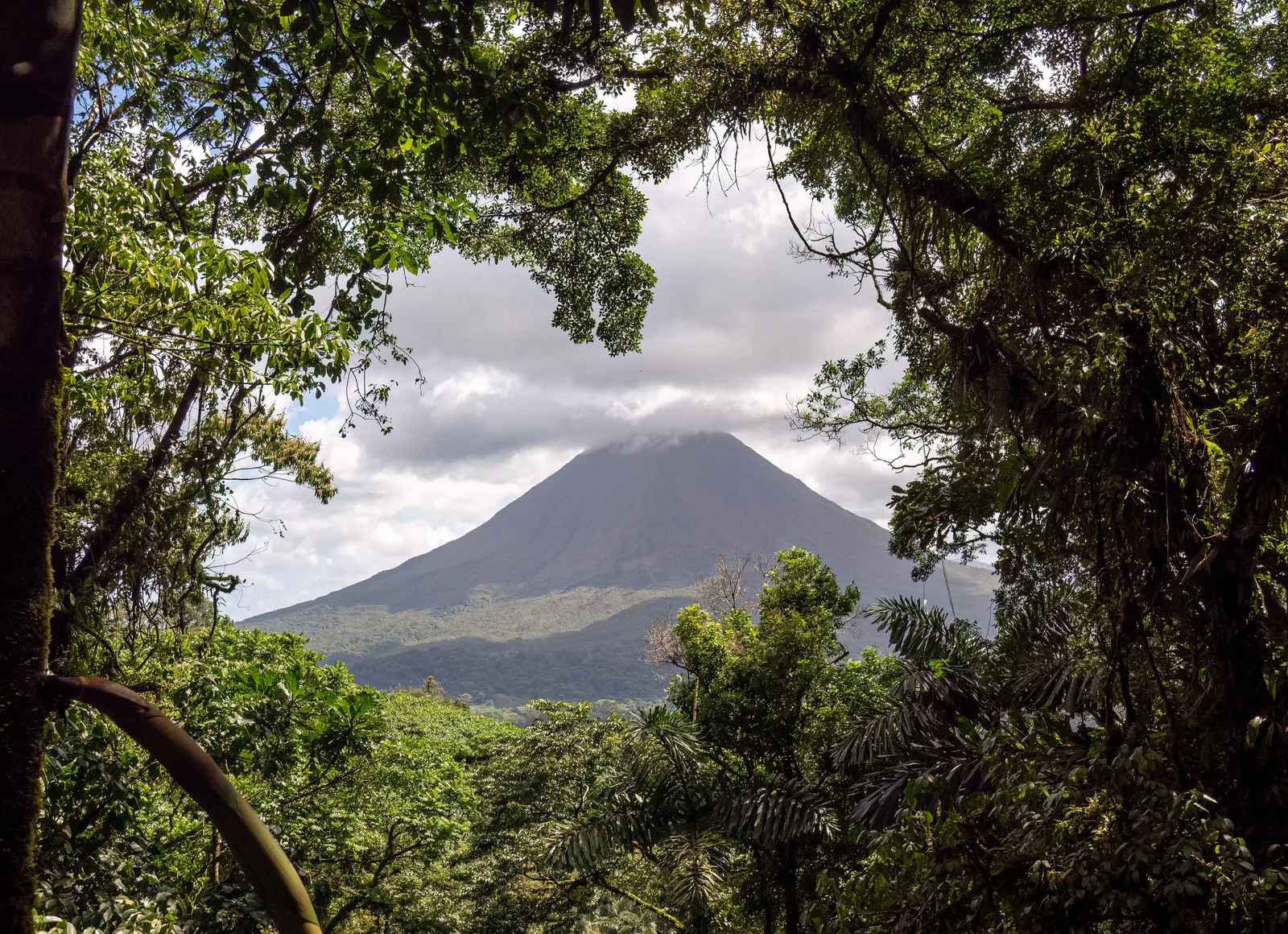
 Costa Rica
Photo by Rhododendrites, CC BY-SA 4.0, via Wikimedia Commons. Resized for this page.
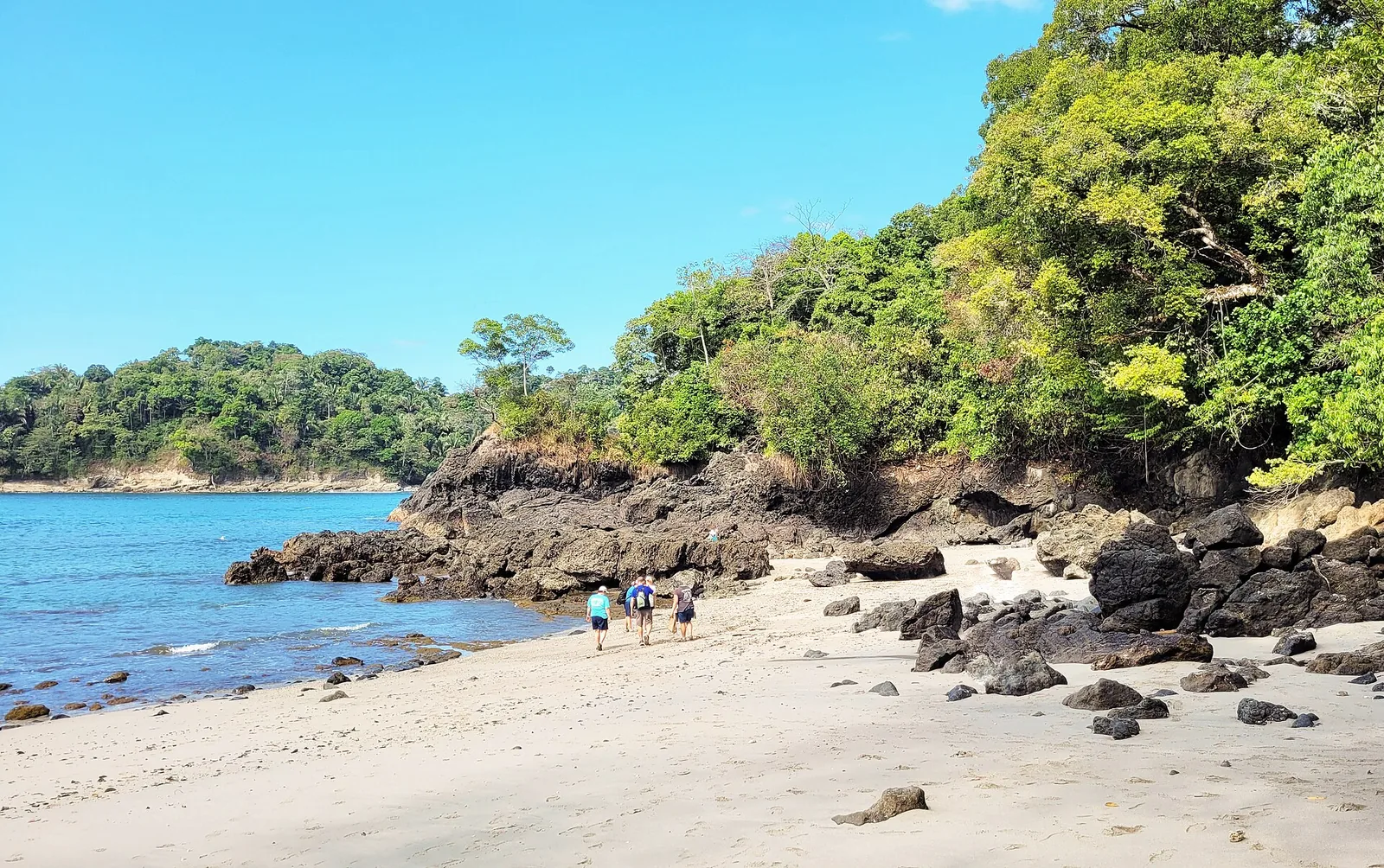
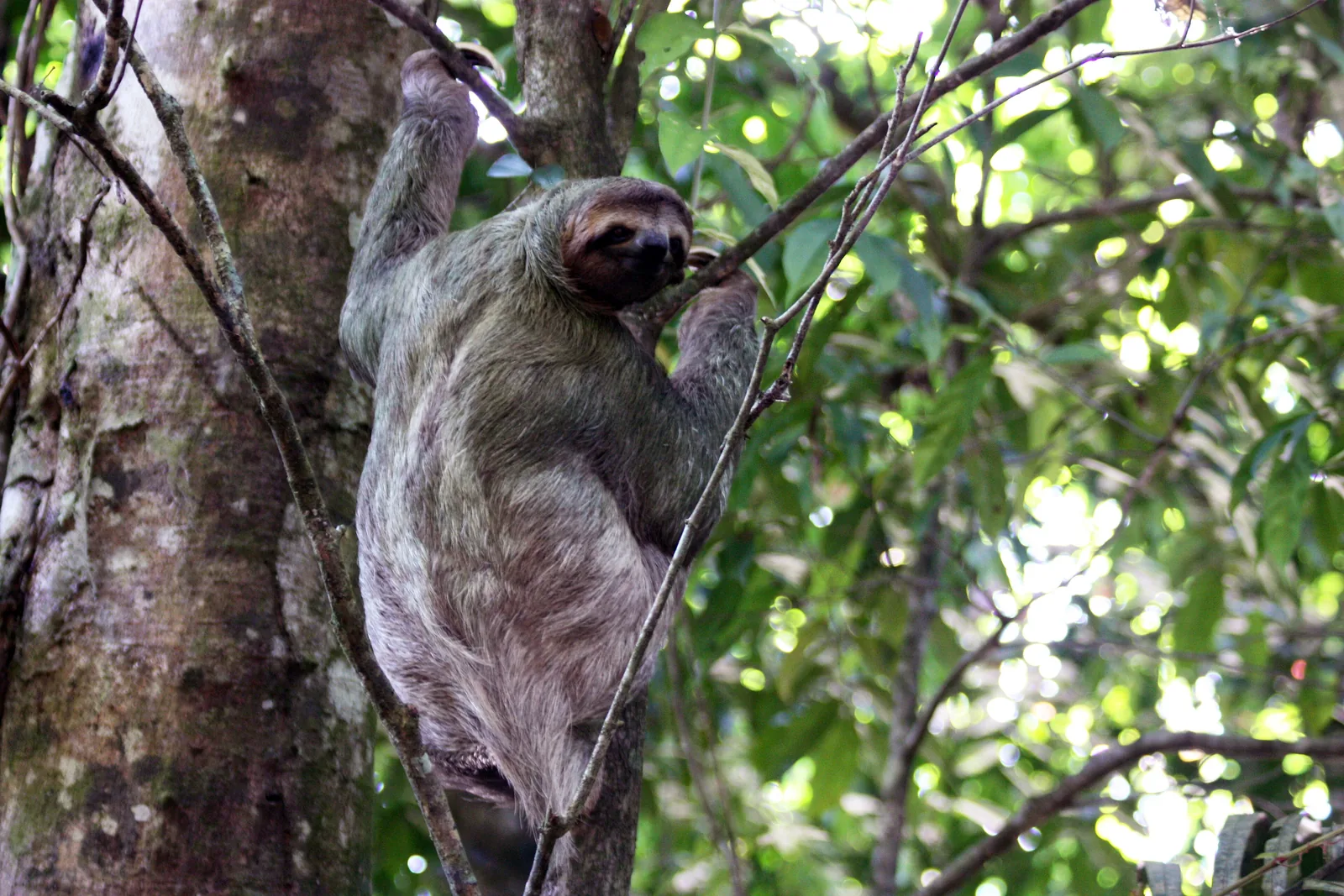
Costa Rica packs rainforests, volcanoes and two very different coastlines into a compact Central American country. Spanish is the official language. The country's reputation for biodiversity is well earned: sloths, toucans and monkeys inhabit national parks that range from misty cloud forest at Monteverde to the beaches and trails of Manuel Antonio and the dry forests and surf towns of Guanacaste. Arenal, with its cone and hot springs, remains one of the best-known inland stops.
Travelers also come for wildlife-watching in Tortuguero and on the Osa Peninsula, for coffee tours in the Central Valley, and for a relaxed "pura vida" pace in beach towns on both the Pacific and Caribbean sides.
The Pacific slope is generally driest from December to April, the most popular time to visit. The Caribbean coast has a different pattern, with a drier spell often arriving in late summer or early autumn. Rainy-season mornings can still be clear, with fewer crowds and greener scenery.
Costa Rica
 Costa Rica
 Costa Rica
: Money
Costa Rica's currency is the colón (CRC), often written with a ₡ sign. US dollars are widely accepted in tourist areas, but everyday prices are in colones, and paying in the local currency is usually clearer.
- Cash vs. card: Cards are widely accepted in hotels, restaurants and shops in cities and tourist towns. Buses, small sodas (local eateries), taxis, markets and more remote parks are often cash only. If you pay in US dollars, change may come back in colones, sometimes at a less favorable rate, so keep small colón notes on hand.
- ATMs and fees: ATMs are easy to find in San José, other cities and most tourist areas, and they generally dispense colones, and sometimes dollars. They can be scarce on remote stretches of coast or in national parks, so withdraw ahead of those trips. Fees are common; choose to be charged in colones if a conversion is offered.
- Tipping: Many restaurants automatically add a service charge of around 10%, in addition to tax. Check the bill before adding more; an extra tip is optional and appreciated for especially good service. Tour guides and drivers are typically tipped in cash.
- Exchanging money: Banks and official airport or hotel exchange desks are safer than street offers. Many travelers find withdrawing colones from an ATM simpler than arriving with large amounts of cash.
- Common scams: Confirm whether a price is in colones or dollars, count your change, and keep your card in sight when you pay.