
 Cuba
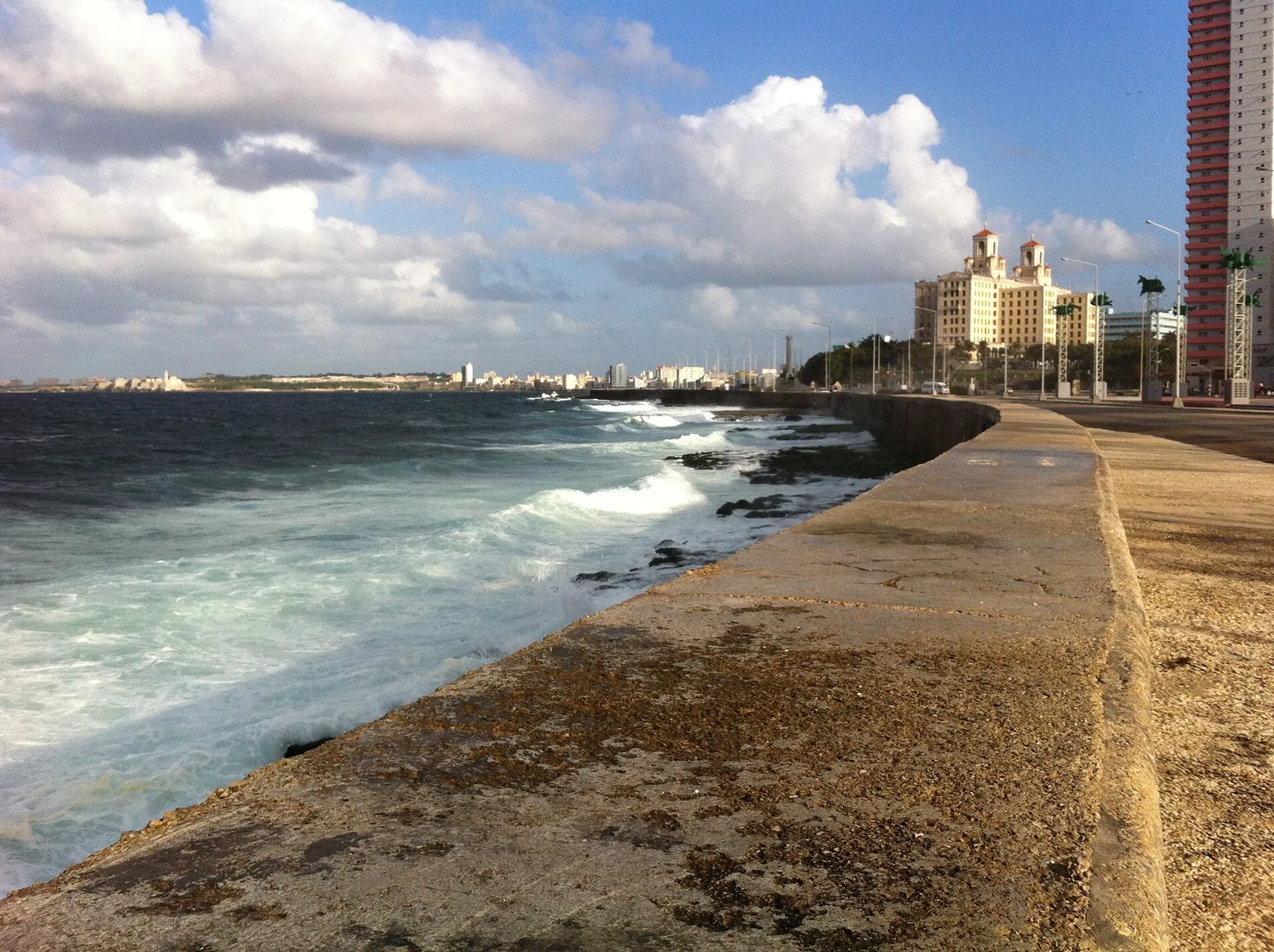
Photo by PLBechly, CC BY-SA 4.0, via Wikimedia Commons. Resized for this page.
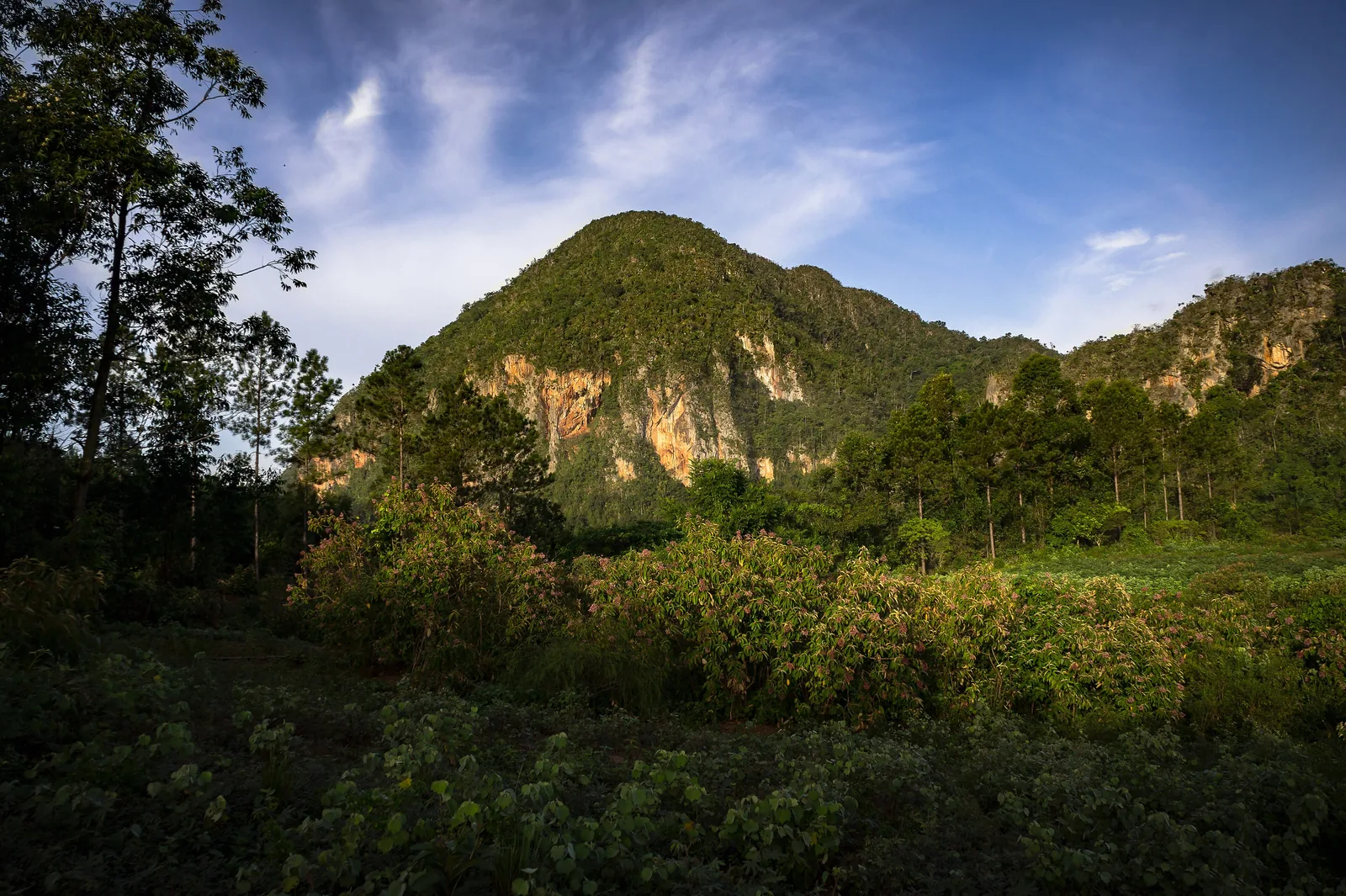
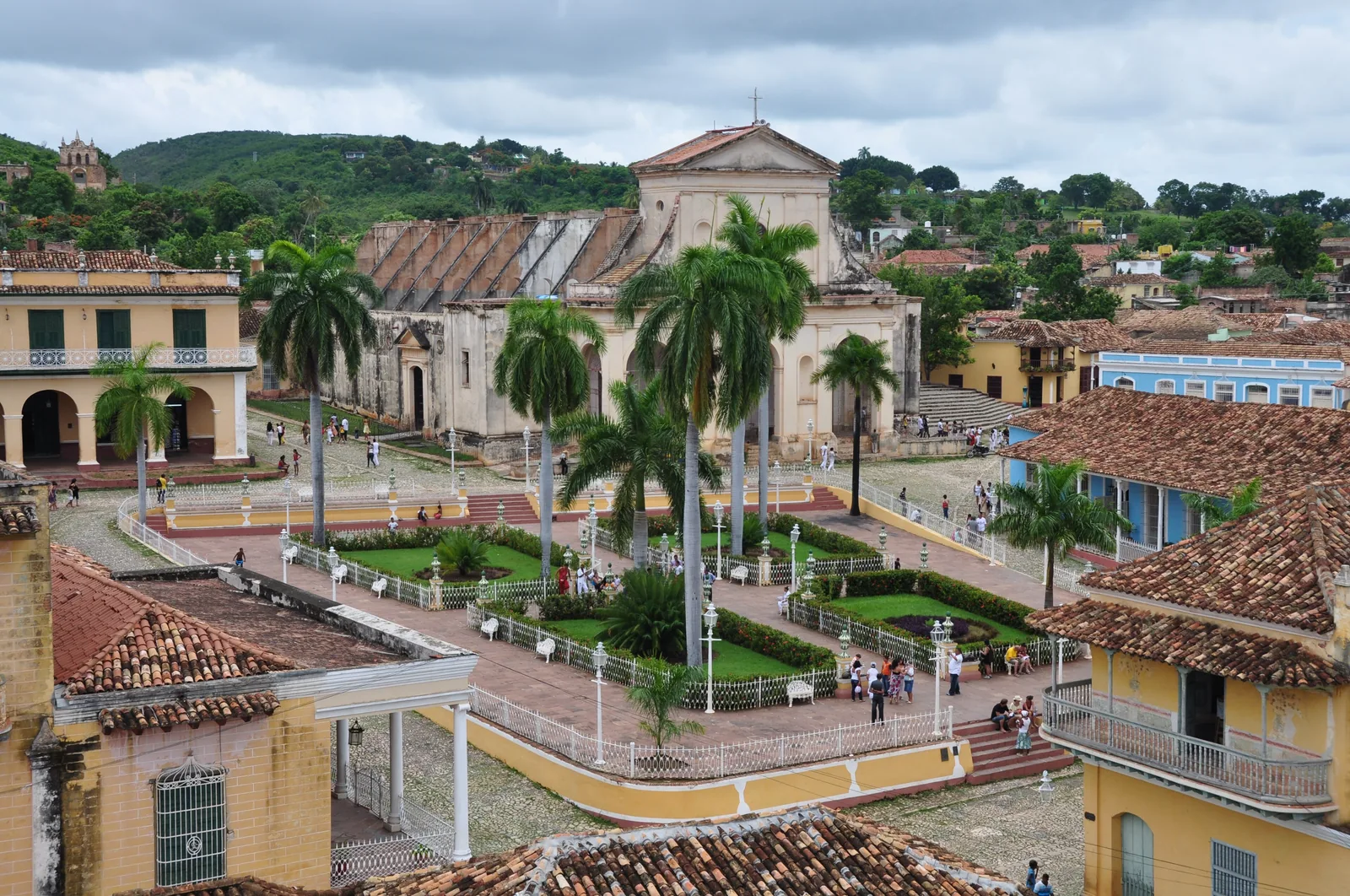
Cuba is the largest island in the Caribbean, a country of colonial cities, music-filled streets, tobacco valleys and long beaches. Spanish is the official language. Havana's Old Town, a UNESCO World Heritage Site, is a mix of baroque facades, colonnaded squares and a Malecón that catches the sea breeze. Beyond the capital, Viñales is known for limestone hills and tobacco farms, Trinidad preserves a remarkably intact colonial center, and the east holds Santiago de Cuba, with a deep musical and cultural heritage.
Travelers also come for the beaches of Varadero and the north coast, for classic-car rides through the city, and for time in smaller towns where daily life moves at a slower pace. Fuel, electricity and basic supplies can be in short supply, which may affect travel and services.
Before planning a trip, check your government's current official travel advisories, as conditions and safety recommendations can change. The drier, cooler months, roughly November to April, are generally the most comfortable time to visit. June to November is the hurricane season.
Cuba
 Cuba
 Cuba
Cuba: Money
Cuba's currency is the Cuban peso (CUP). The central bank sets official exchange rates, and an informal rate also circulates; the two can differ, and the situation can change. Bring enough cash for your whole trip, and exchange money only at authorized banks or official CADECA offices.
- Cash vs. card: Plan on cash for almost everything. U.S.-issued credit and debit cards do not work in Cuba, and international cards such as Visa and Mastercard are generally no longer accepted either. Do not rely on plastic or on withdrawing money after you arrive. US dollars and euros are the foreign currencies most often recommended for exchange; policies on which cash can be changed can shift, so confirm before you travel and consider bringing more than one accepted currency in clean notes. Small bills are useful for taxis, tips and everyday purchases.
- ATMs and fees: Do not depend on ATMs. Foreign cards generally cannot be used to withdraw cash, and power cuts can take machines and card terminals offline. Some travelers buy a Cuban prepaid card, such as a Clásica card, after they arrive, but these are not a substitute for bringing enough cash.
- Tipping: Tipping is appreciated and is best done in cash. Small amounts for restaurant staff, guides, hotel workers and taxi drivers are a kind gesture, especially when service has been helpful in a difficult setting.
- Exchanging money: Use only authorized banks, CADECA exchange offices, airports or official hotel desks. Informal or street exchanges are illegal and can carry penalties, as well as a risk of counterfeit notes. Cuban pesos are difficult or impossible to exchange once you leave the country, so spend or convert what you will not need before departure.
- Common scams: Count your bills at the counter, ask for a receipt, and be wary of anyone offering a better rate on the street. Keep cash secure and out of sight, and confirm prices before you pay.