
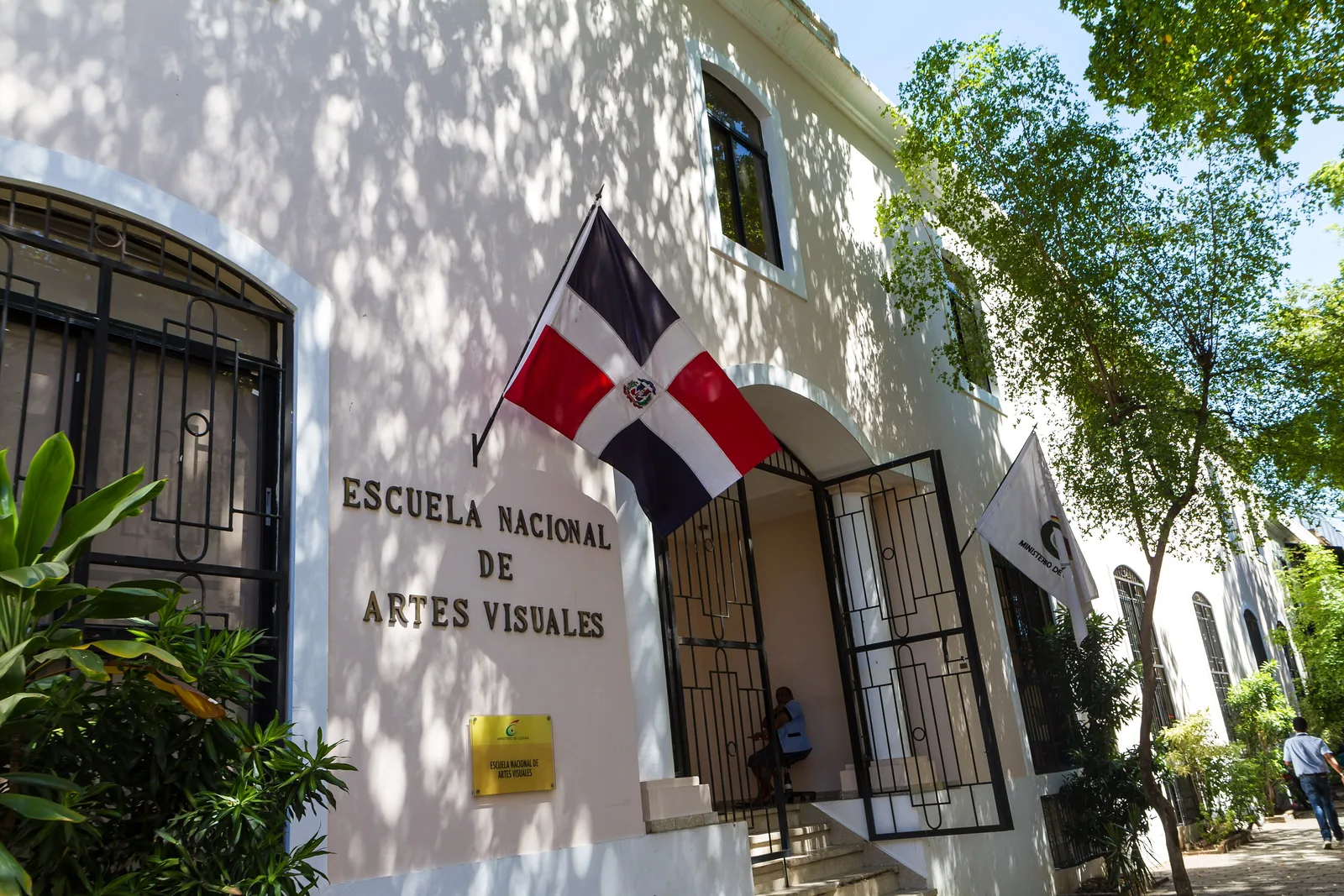
 Dominican Republic
Photo by Максим Улитин, CC BY 3.0, via Wikimedia Commons. Resized for this page.
The Dominican Republic shares the island of Hispaniola with Haiti and offers a mix of Caribbean beaches, a mountainous interior and one of the oldest European cities in the Americas. Spanish is the official language. Santo Domingo's Colonial Zone, a UNESCO World Heritage Site, is a walkable quarter of cobblestone streets, stone churches and plazas that mark the early Spanish presence in the New World.
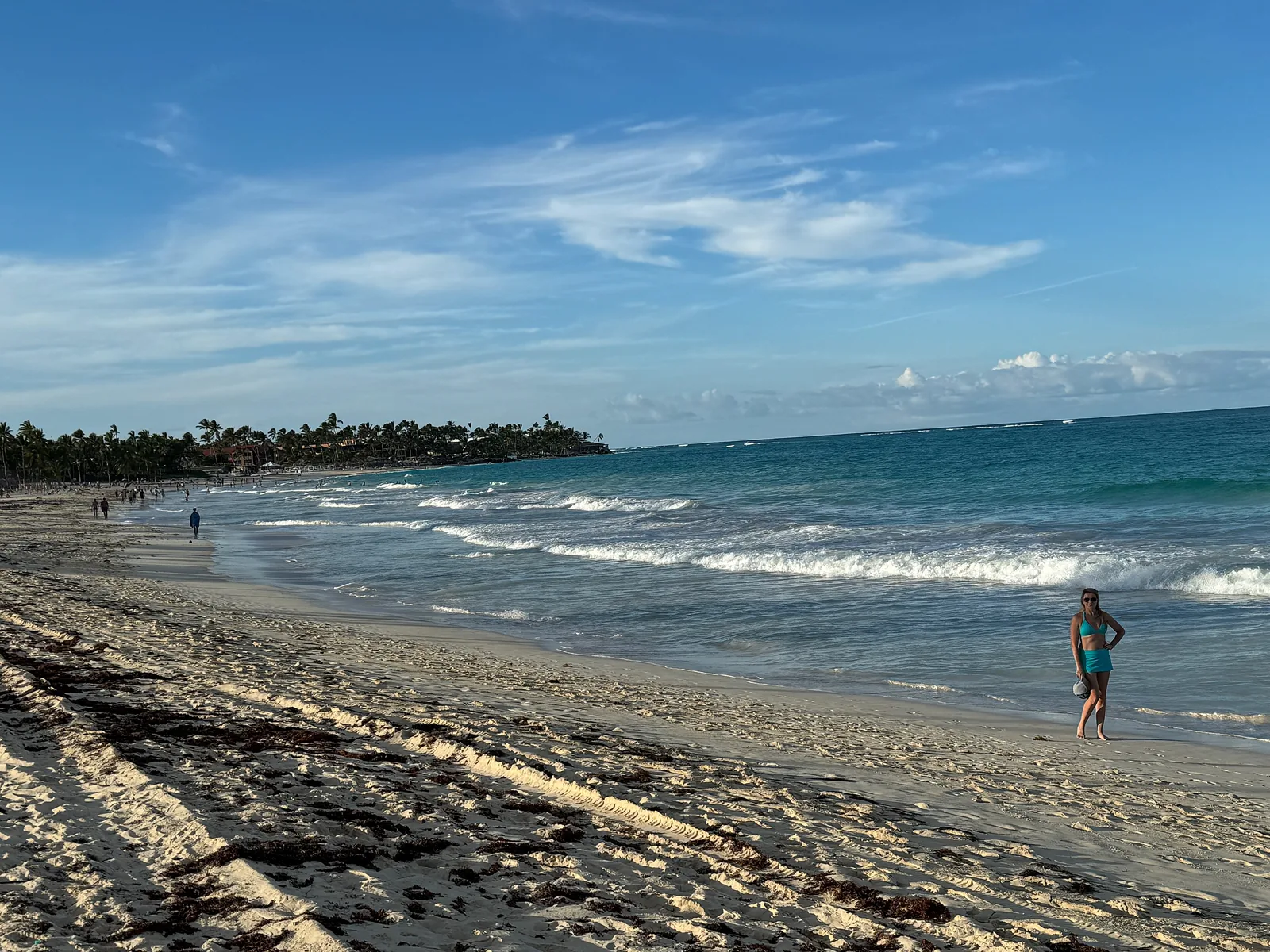
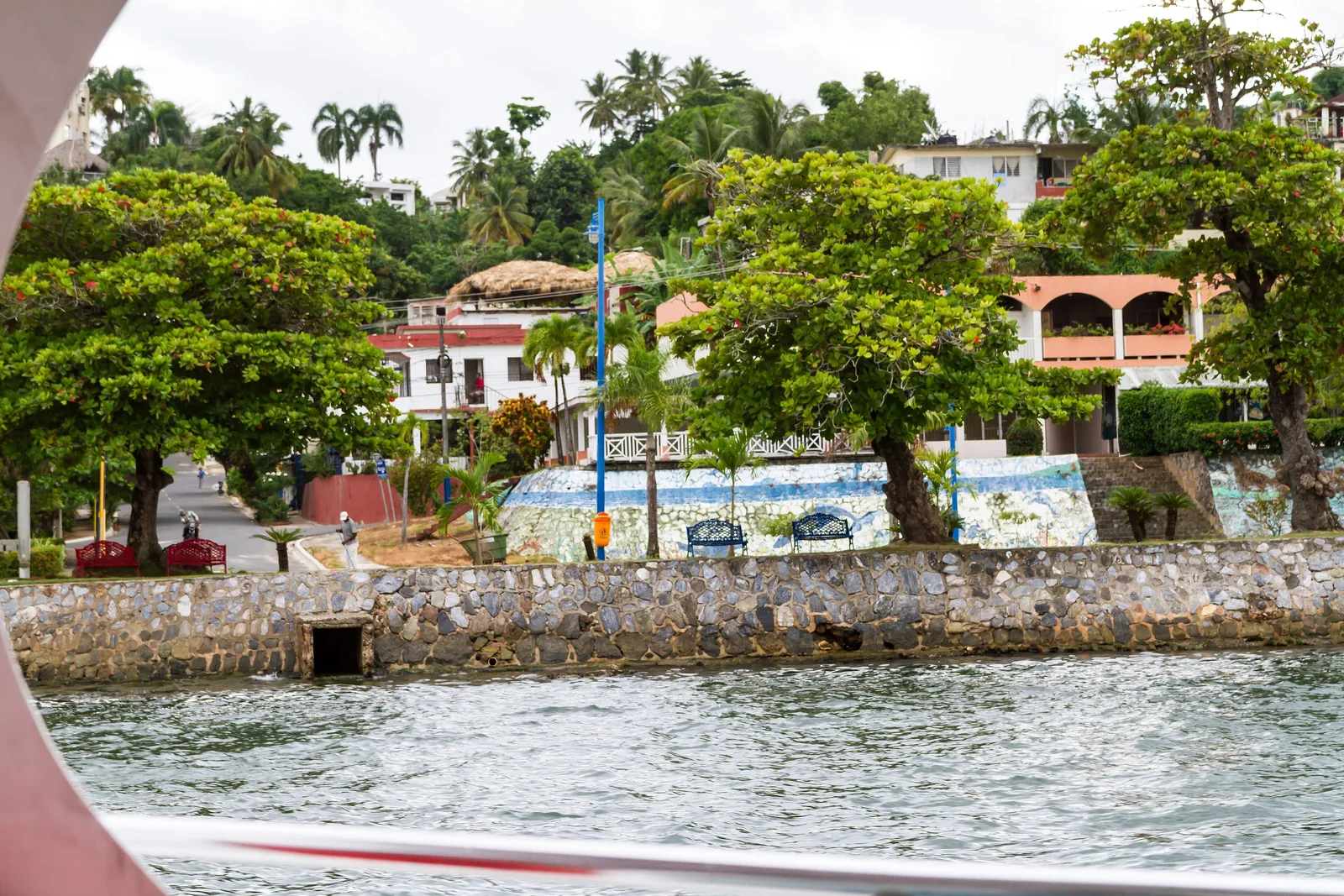
Along the coast, Punta Cana and Bávaro are known for resort beaches, while the Samaná Peninsula has a wilder shoreline and, in season, humpback whales in the bay. Inland, the mountains around Jarabacoa and Constanza offer cooler air, hiking and a look at a different side of the country. Puerto Plata and the north coast combine beaches with a more lived-in city feel.
December to April is the driest and busiest season. The rest of the year is warmer and more humid, with a chance of heavy rain during the Atlantic hurricane season from June to November.
Dominican Republic
 Dominican Republic
 Dominican Republic
: Money
The Dominican Republic's currency is the Dominican peso (DOP), often written with a $ or RD$ sign. US dollars are widely accepted in resort areas, but pesos are more practical for everyday purchases outside the hotels.
- Cash vs. card: Cards are widely used in resorts, hotels and many restaurants and shops in Santo Domingo, Punta Cana and other tourist cities. Taxis, small eateries, markets and towns in the interior are often cash only. If you pay in US dollars, change may come back in pesos, sometimes at a less favorable rate.
- ATMs and fees: ATMs are easy to find in cities and resort areas, usually inside banks, malls or hotels, and they generally dispense pesos. They can be scarce in smaller mountain towns, so withdraw ahead of those trips. Fees are common; choose to be charged in pesos if a conversion is offered.
- Tipping: Restaurants and hotels often add a service charge of around 10%, sometimes alongside tax, so read the bill before adding more. If a tip is not included, around 10% is appreciated. Tour guides, drivers and resort staff are often tipped in cash.
- Exchanging money: Banks and licensed exchange offices (centros de cambio) are safer than unofficial street offers. Bring your passport, which is often required. Many travelers also withdraw pesos from an ATM.
- Common scams: Confirm whether a price is in pesos or dollars, count your change, and be cautious of unofficial money changers, especially in busy tourist zones.