
 El Salvador
Photo by Erneestoo, CC BY-SA 4.0, via Wikimedia Commons. Resized for this page.
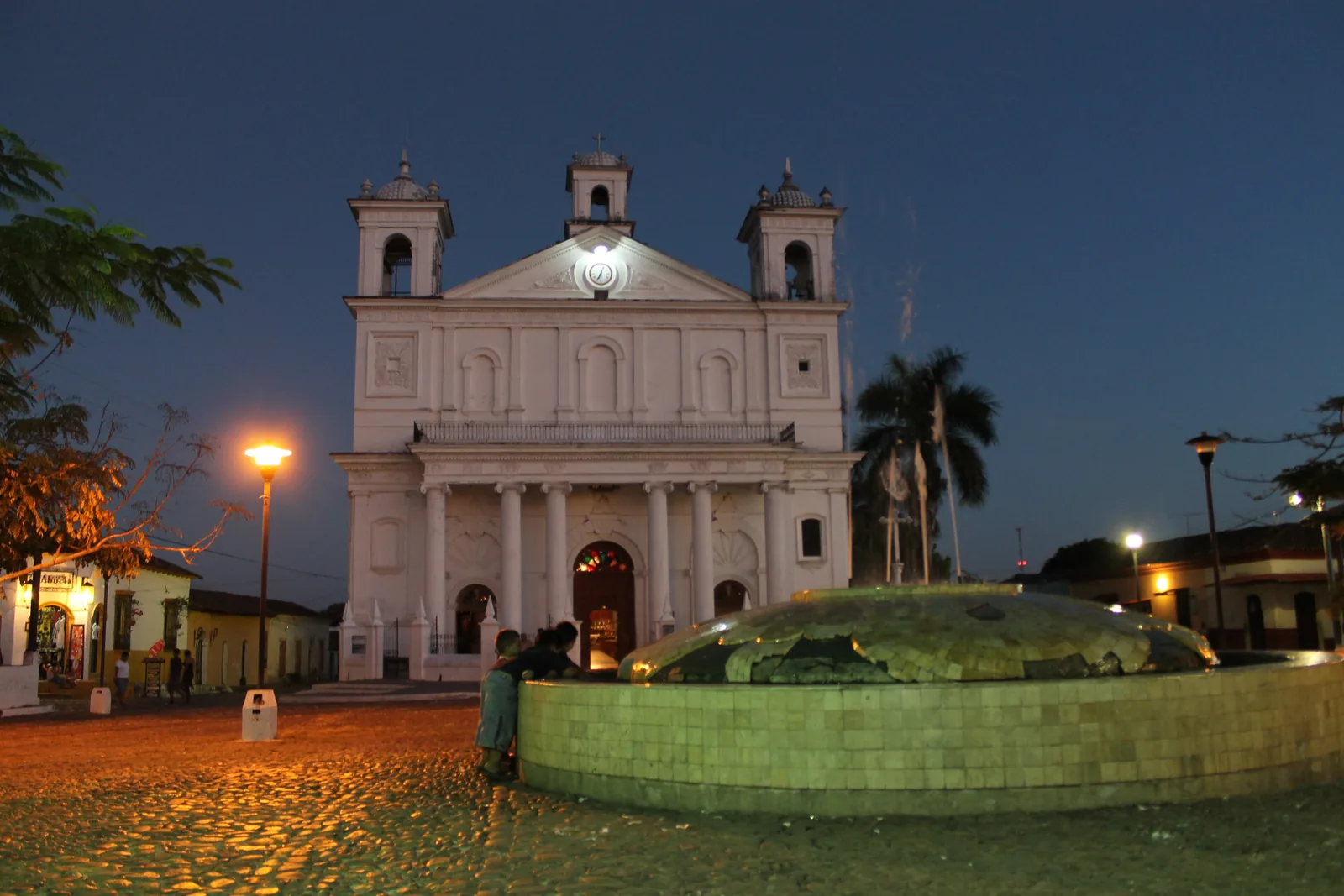
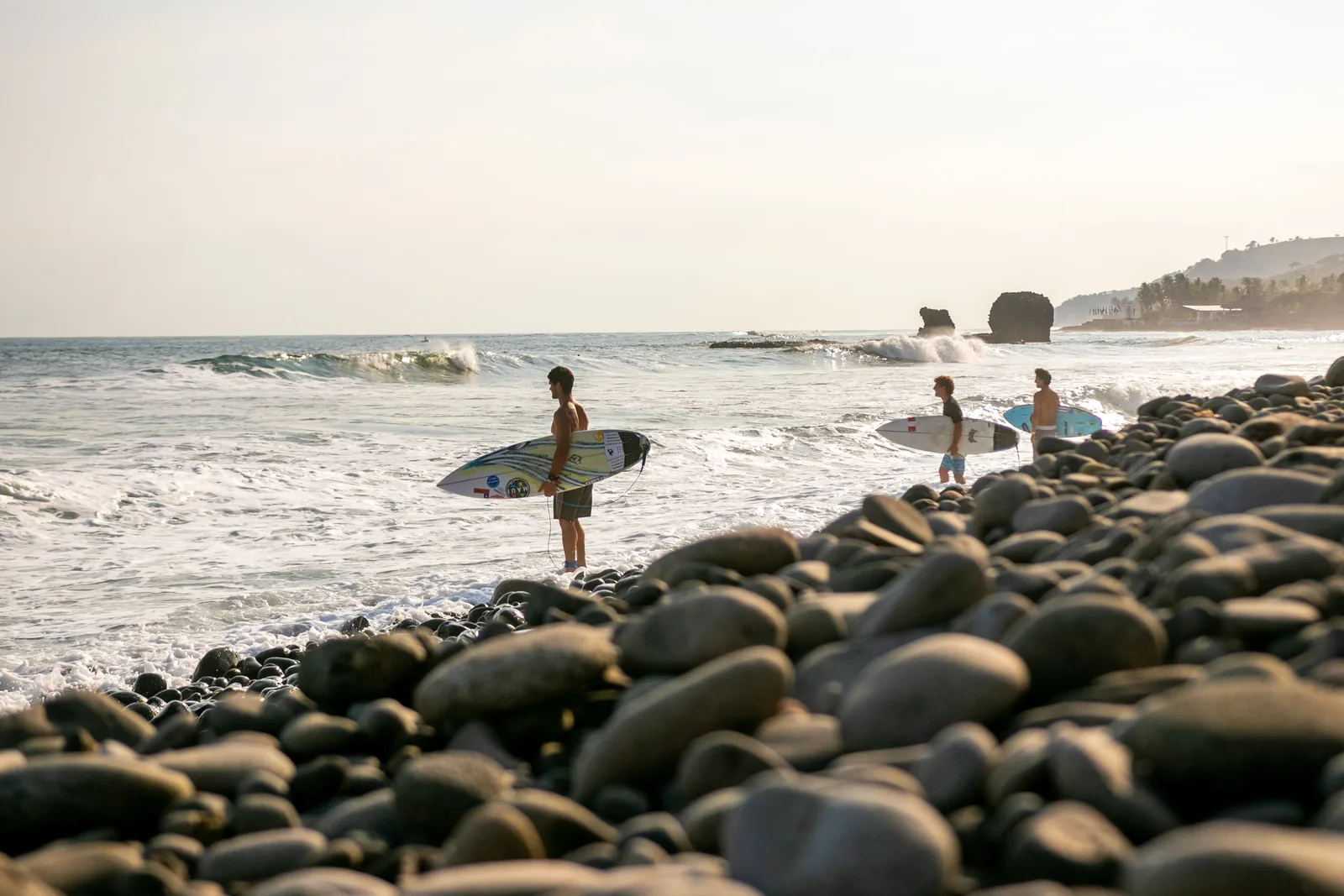
El Salvador is Central America's smallest country, a Pacific nation of volcanoes, coffee highlands and a growing reputation for surf. Spanish is the official language. The coast around El Tunco and El Sunzal draws wave-seekers, while inland roads climb into green highlands and towns such as Juayúa and Ataco along the Ruta de las Flores. Suchitoto, on a lake north of the capital, is a handsome colonial town, and San Salvador offers museums, markets and views from nearby volcanic ridges.
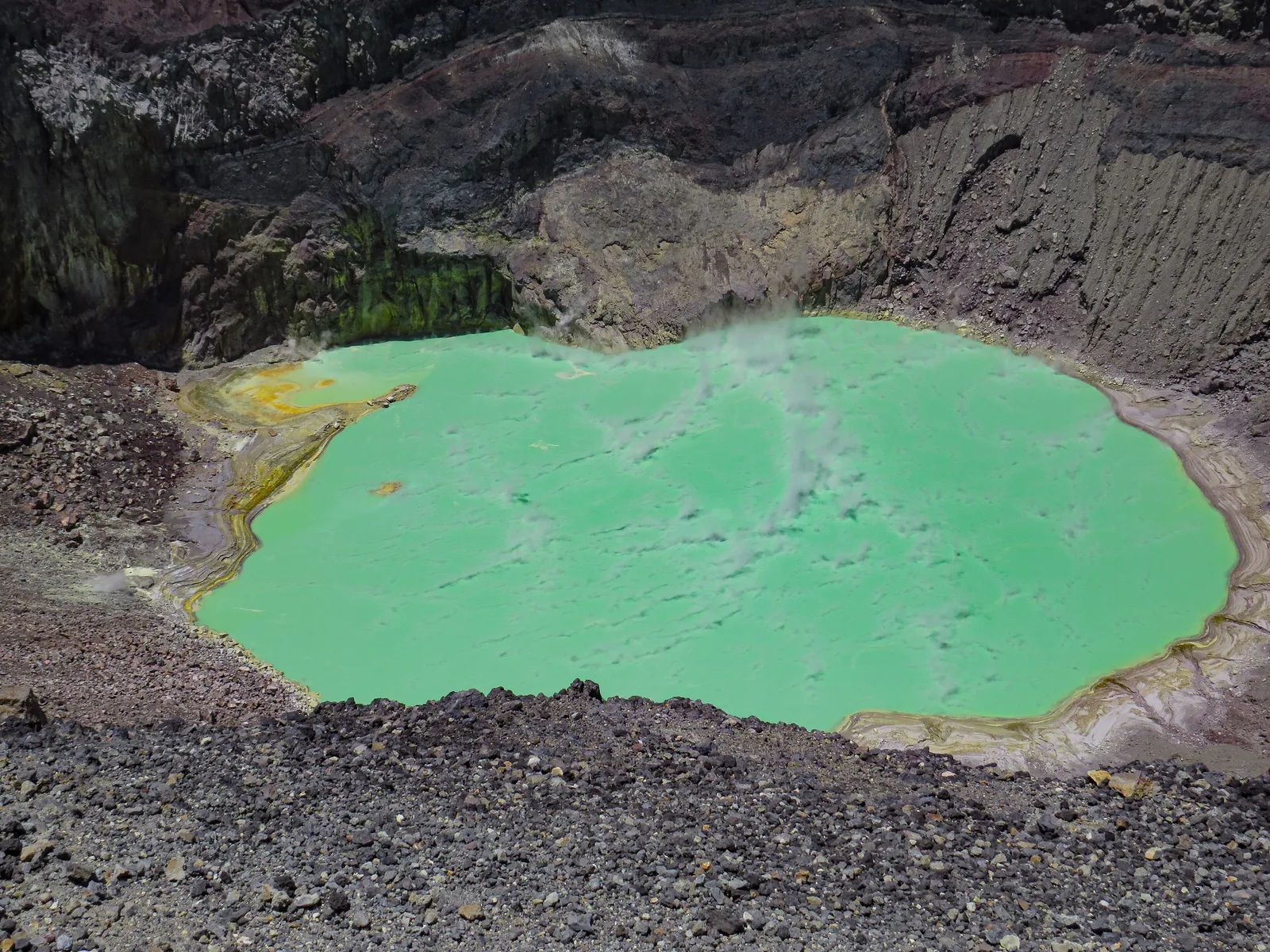
Travelers also visit Maya sites, including Joya de Cerén, a UNESCO World Heritage Site sometimes called the "Pompeii of the Americas," and hike craters such as Santa Ana (Ilamatepec) or look out over the lake-filled caldera of Coatepeque.
The dry season, roughly November to April, is the most popular time for both the beach and the highlands. The rainy months bring greener landscapes and afternoon showers, with fewer visitors on the trails and in the small towns.
El Salvador
 El Salvador
 El Salvador
: Money
El Salvador's currency is the US dollar (USD), in use since 2001. Bitcoin may still be accepted by some private businesses, but acceptance has been voluntary since a 2025 legal reform, and everyday prices, contracts and taxes are in dollars.
- Cash vs. card: Cards are accepted in hotels, malls, restaurants and shops in San Salvador and in many tourist spots, but cash is essential for buses, market stalls, smaller pupuserías and surf-town life. Carry plenty of small bills; notes of $50 and $100 can be hard to break. Do not count on being able to pay with bitcoin, even in places associated with it; always have dollars on hand.
- ATMs and fees: ATMs are widely available in San Salvador and in larger towns, and they dispense US dollars. They can be less reliable in smaller beach or highland villages, so withdraw ahead of those stays. Local and home-bank fees may apply.
- Tipping: Around 10% is appreciated in restaurants when a service charge is not already included. Check the bill for a "propina" before adding more. Surf instructors, guides and drivers are typically tipped in cash.
- Exchanging money: If you arrive with dollars in cash, bring clean, smaller notes. Other currencies can be exchanged at banks in the capital, but you will spend dollars day to day.
- Common scams: Count your change, especially when paying with large notes, and keep your card in sight. Be cautious at ATMs and of anyone offering unsolicited help.