
 Guatemala
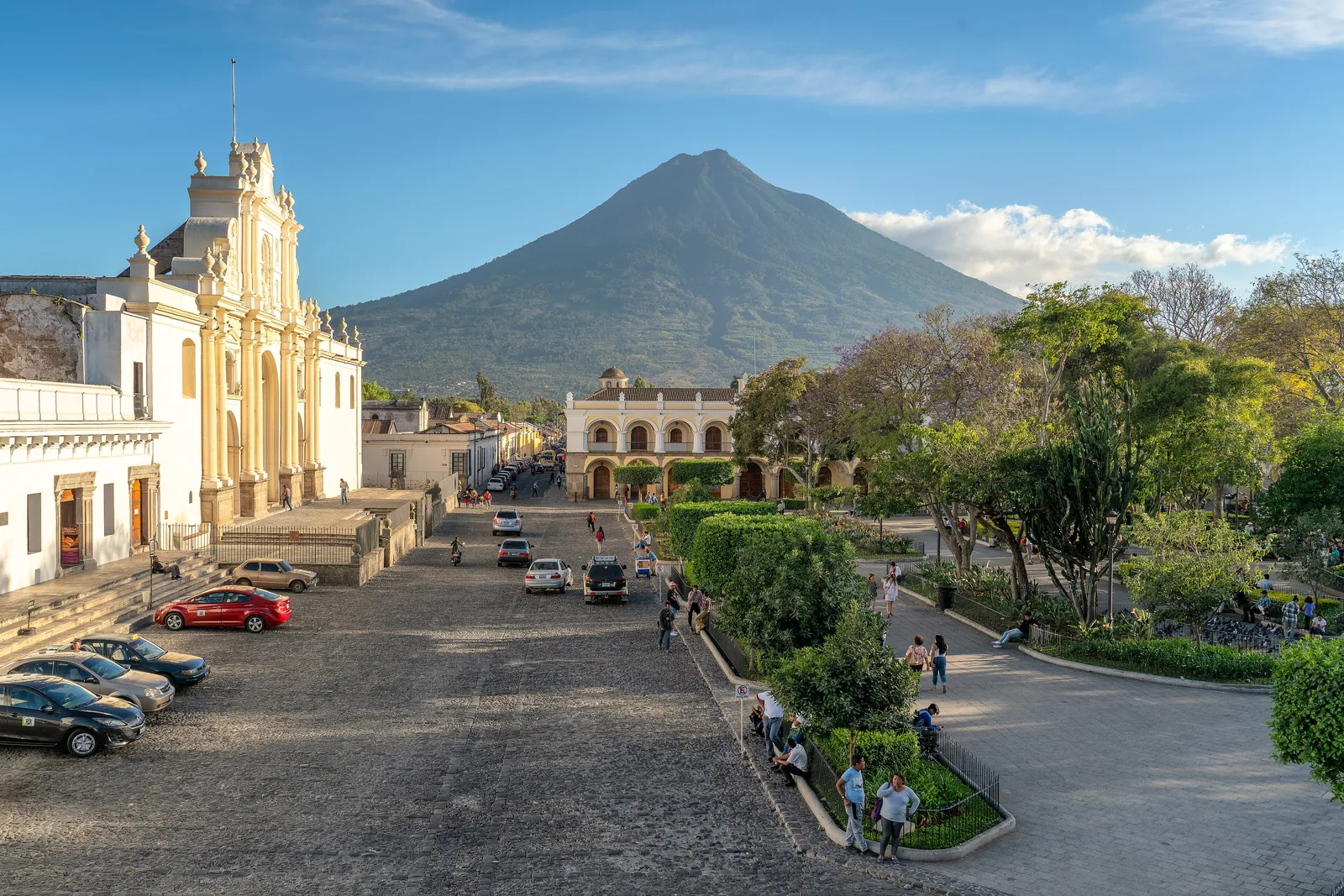
Photo by Chad Davis, CC BY 2.0, via Wikimedia Commons. Resized for this page.
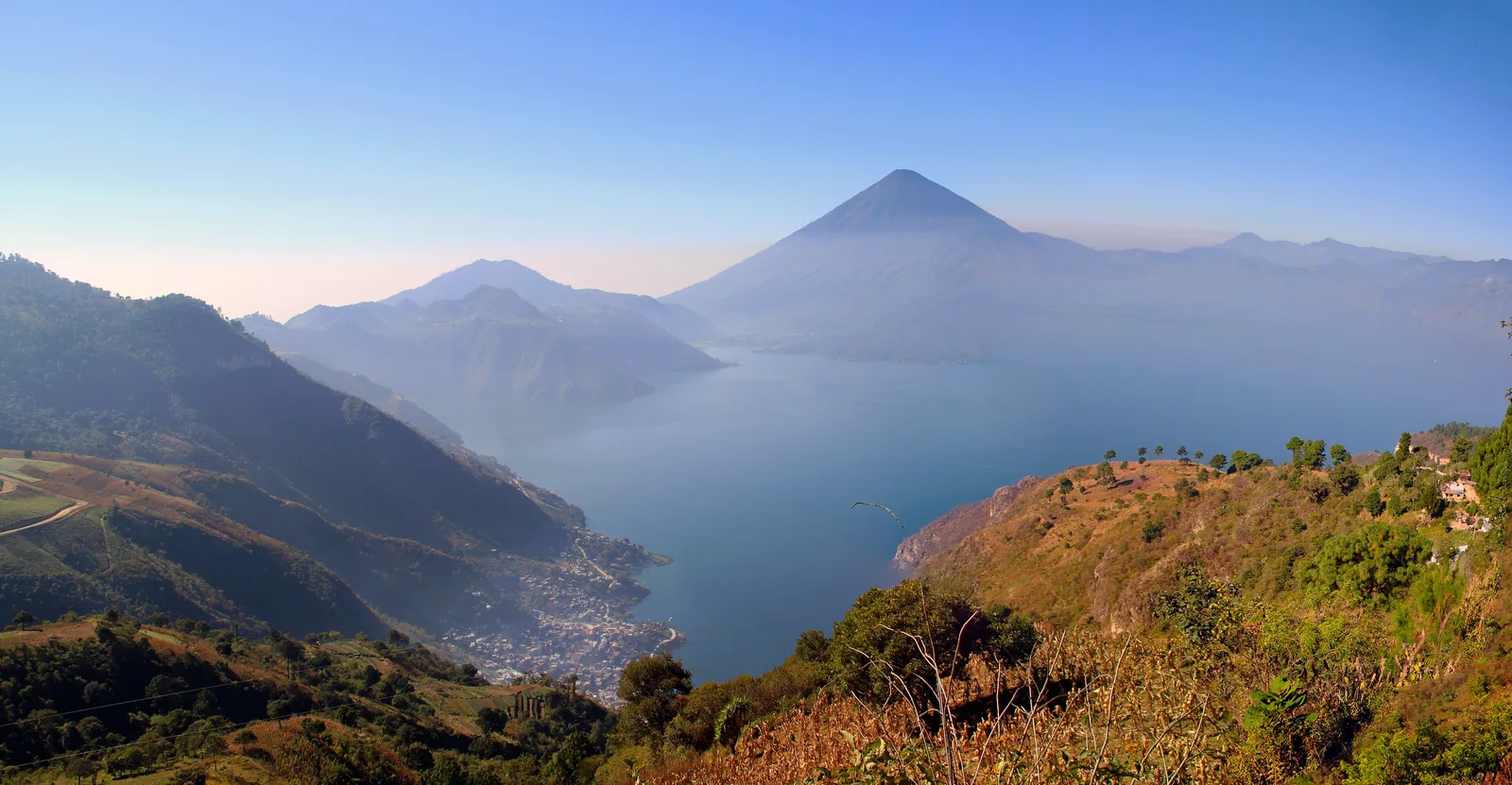
Guatemala is a country of volcanoes, highland lakes and some of the most important Maya cities in the Americas. Spanish is the official language, and many Maya languages are spoken across the highlands. Antigua Guatemala, a UNESCO World Heritage Site, is a city of cobblestone streets, ruined baroque churches and a backdrop of volcanic peaks. Lake Atitlán, ringed by villages and steep slopes, is a place to slow down, take a boat between towns and take in the views.
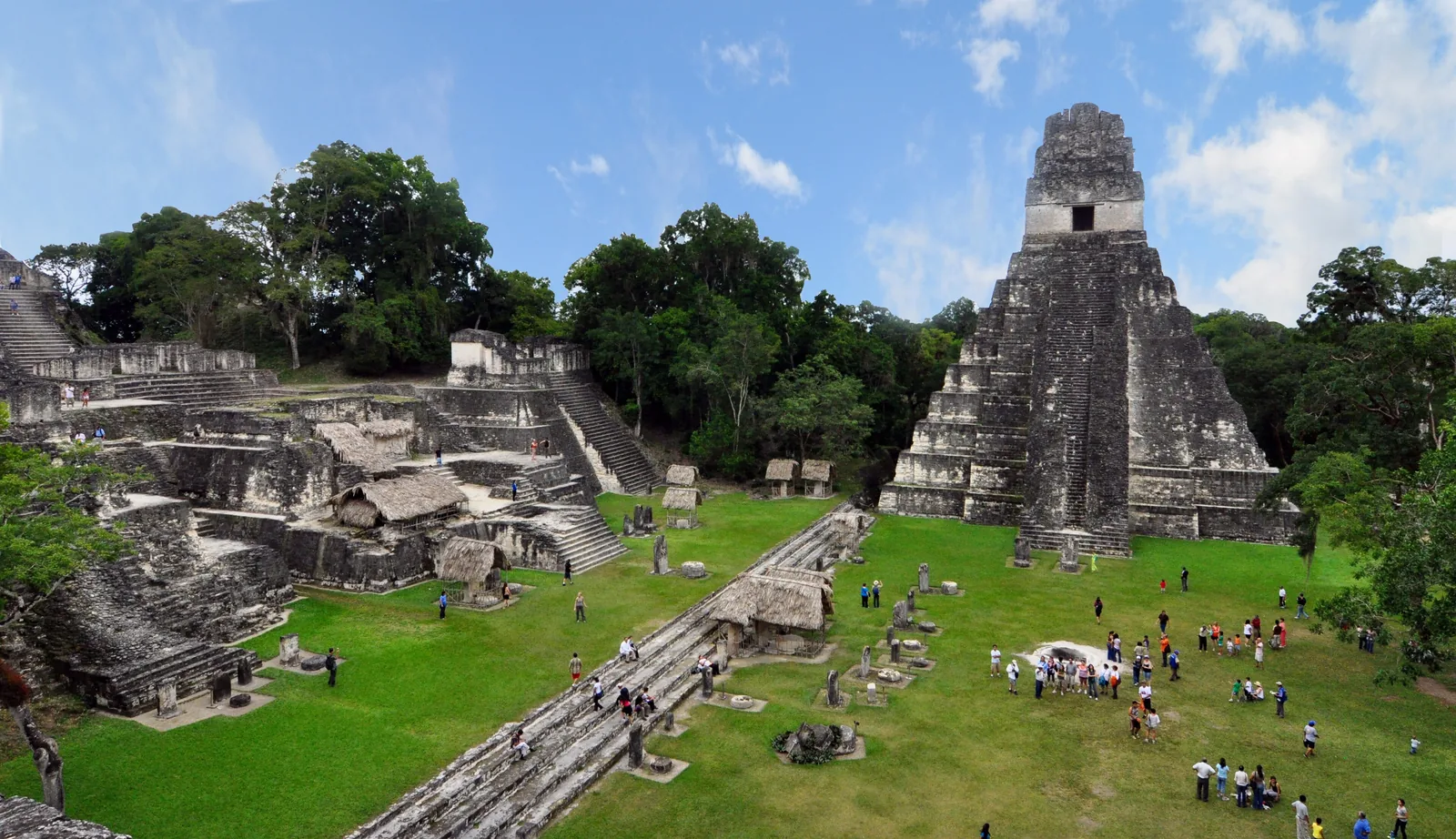
In the northern lowlands, the temples of Tikal rise above the rainforest in a vast archaeological park, also a UNESCO World Heritage Site. Travelers also come for colorful markets such as Chichicastenango, for the pools and limestone bridges of Semuc Champey, and for time in Guatemala City's museums before heading out.
Before planning a trip, check your government's current official travel advisories, as conditions and safety recommendations can change. The dry season, roughly November to April, is the most popular time to visit. The rainy months are greener and quieter, though some rural roads can be slower.
Guatemala
 Guatemala
 Guatemala
: Money
Guatemala's currency is the quetzal (GTQ), often written as Q. US dollars are sometimes accepted in tourist hotels and agencies, but everyday prices are in quetzales.
- Cash vs. card: Cards work in many hotels, restaurants and shops in Guatemala City, Antigua and other tourist centers. Markets, chicken buses, boat taxis on Lake Atitlán, smaller eateries and towns on the way to Tikal or Semuc Champey are often cash only. Carry enough quetzales when you leave the main towns.
- ATMs and fees: ATMs are easiest to find in Guatemala City, Antigua, Panajachel and Flores, usually inside banks or shopping areas. They can be scarce in smaller highland villages and at some archaeological sites. Fees are common; choose to be charged in quetzales if a conversion is offered.
- Tipping: Around 10% is appreciated in restaurants when a service charge is not already included. Tour guides, drivers and boatmen are typically tipped in cash.
- Exchanging money: Banks and licensed exchange offices are safer than street changers. Bring clean US dollar notes if you plan to exchange cash, as worn bills may be refused.
- Common scams: Watch for counterfeit notes, count your change in busy markets, and use ATMs during the day in a bank or mall rather than a machine on the street.