
 Haiti
Photo by Alex Proimos, CC BY 2.0, via Wikimedia Commons. Resized for this page.
Haiti occupies the western third of the island of Hispaniola and is a country of steep green mountains, Caribbean coastline and a deep cultural heritage. Haitian Creole and French are the official languages. In 1804 it became the first independent Black republic in the world, a history still visible at the National History Park, a UNESCO World Heritage Site. The park includes the Citadelle Laferrière, a vast mountaintop fortress, and the nearby ruins of the Sans-Souci Palace, both usually reached from the northern city of Cap-Haïtien. Haitian art, music and cuisine have had an influence far beyond the country's borders.
Before planning a trip, check your government's current official travel advisories, as conditions and safety recommendations can change.
The drier months, roughly December to April, are generally the most practical time to visit, though conditions on the ground matter more than the season.
Haiti
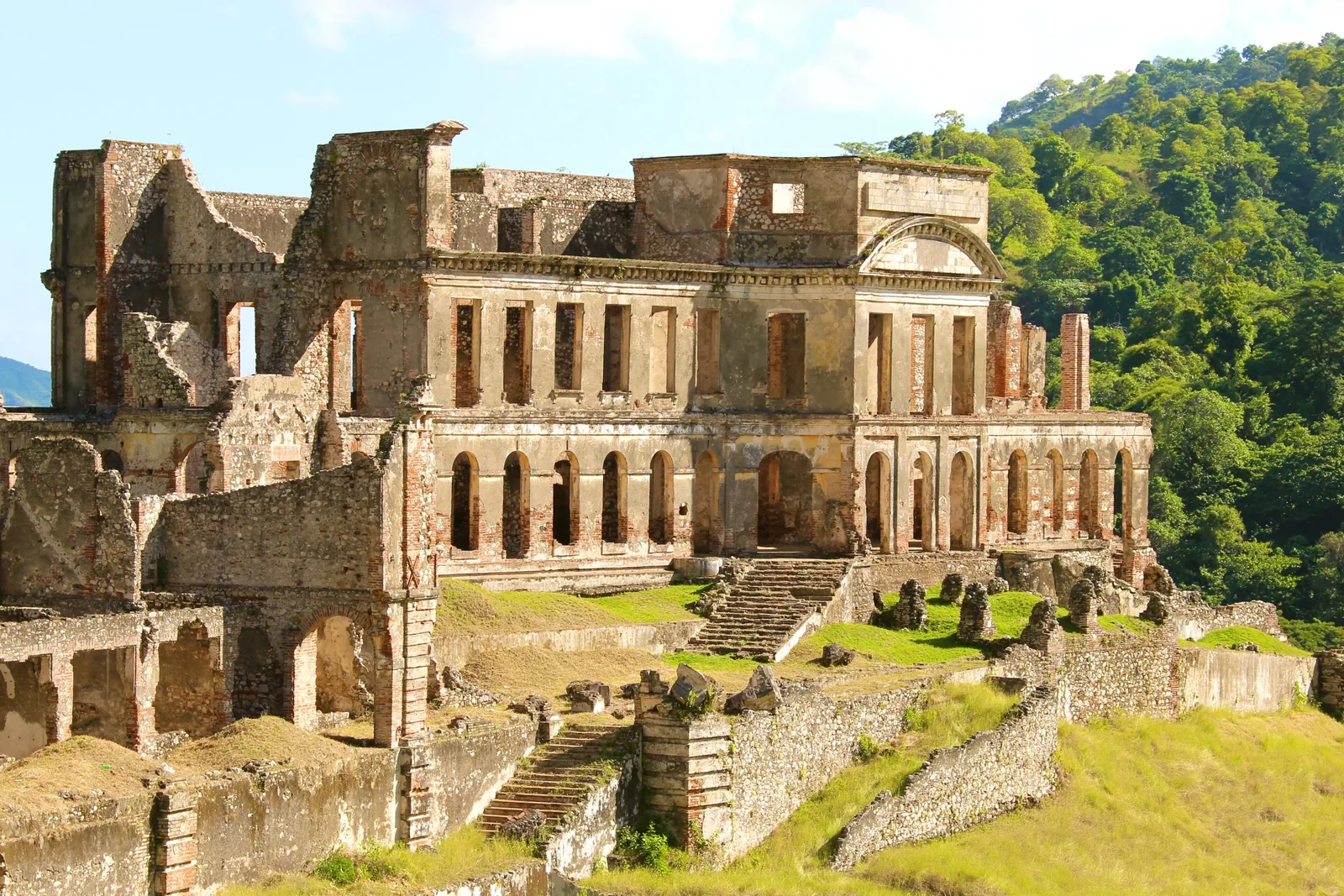 Haiti
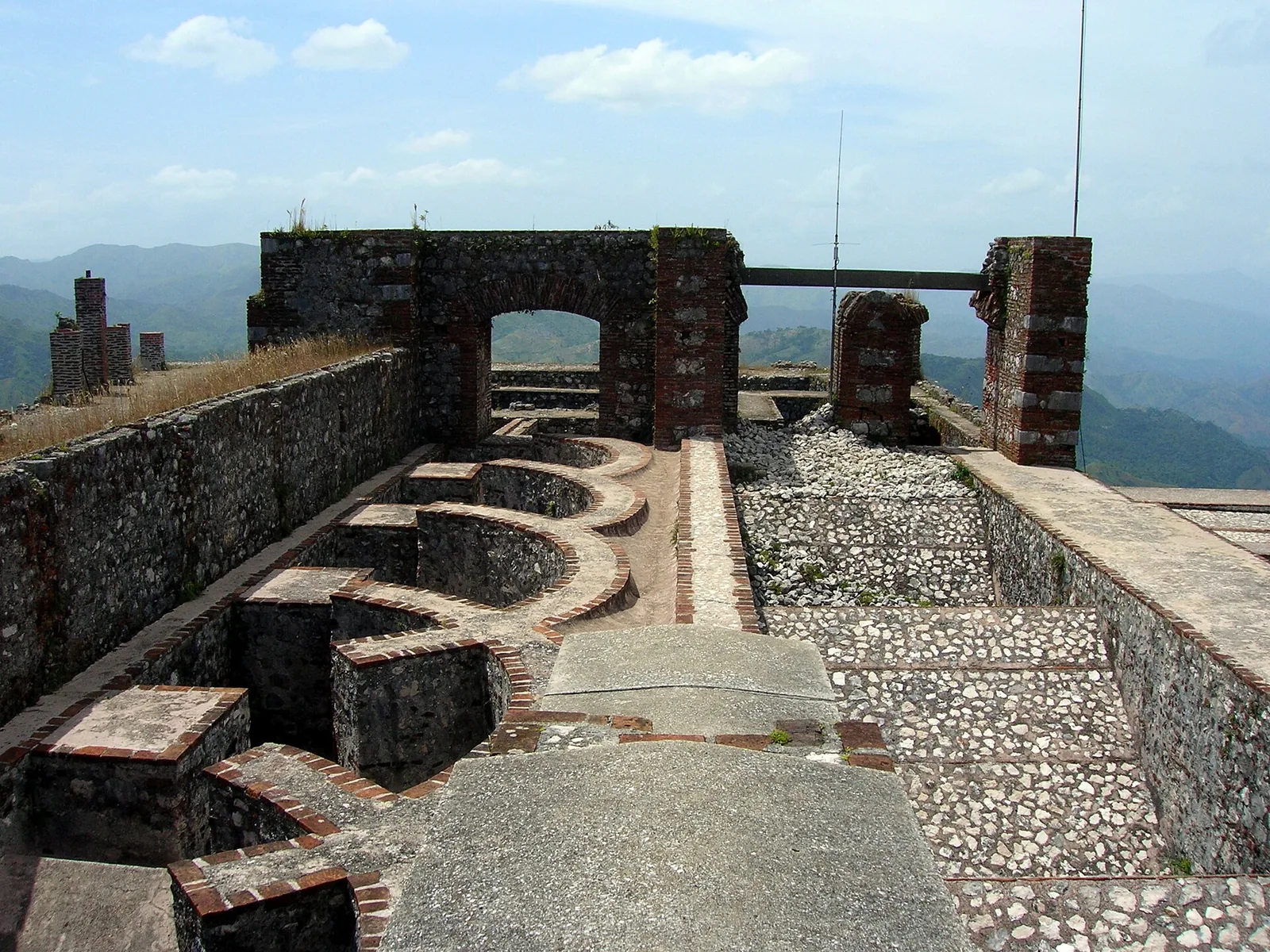 Haiti
Haiti: Money
Haiti's currency is the Haitian gourde (HTG). US dollars are also widely used, especially for hotels and many tourist services. Prices may be quoted in gourdes, in US dollars or in "Haitian dollars," a traditional unit, so always confirm the currency before you pay. Check the latest practical information before you travel, and review your government's current official travel advisories before planning a trip.
- Cash vs. card: Plan to rely on cash. Cards may be accepted at some larger hotels, but most daily purchases, transport and smaller businesses are cash only. Bring enough clean US dollars in small bills, as change can be hard to get and ATMs should not be your backup plan.
- ATMs and fees: Do not depend on ATMs. Machines are limited, often unreliable and can run short of cash. If you do use one, choose a machine inside a bank or a secure location, and have another way to pay.
- Tipping: Tipping practices vary. When service is not already included, leaving a little extra in cash, often in small US dollar bills, is a kind gesture for restaurant staff, drivers and guides.
- Exchanging money: Exchange currency only at established banks or reputable hotel desks. Avoid changing money on the street. Keep cash secure and out of sight.
- Common scams: Confirm the currency of any quoted price, count your change, and be extra careful with any card payment you do make.