
 Honduras
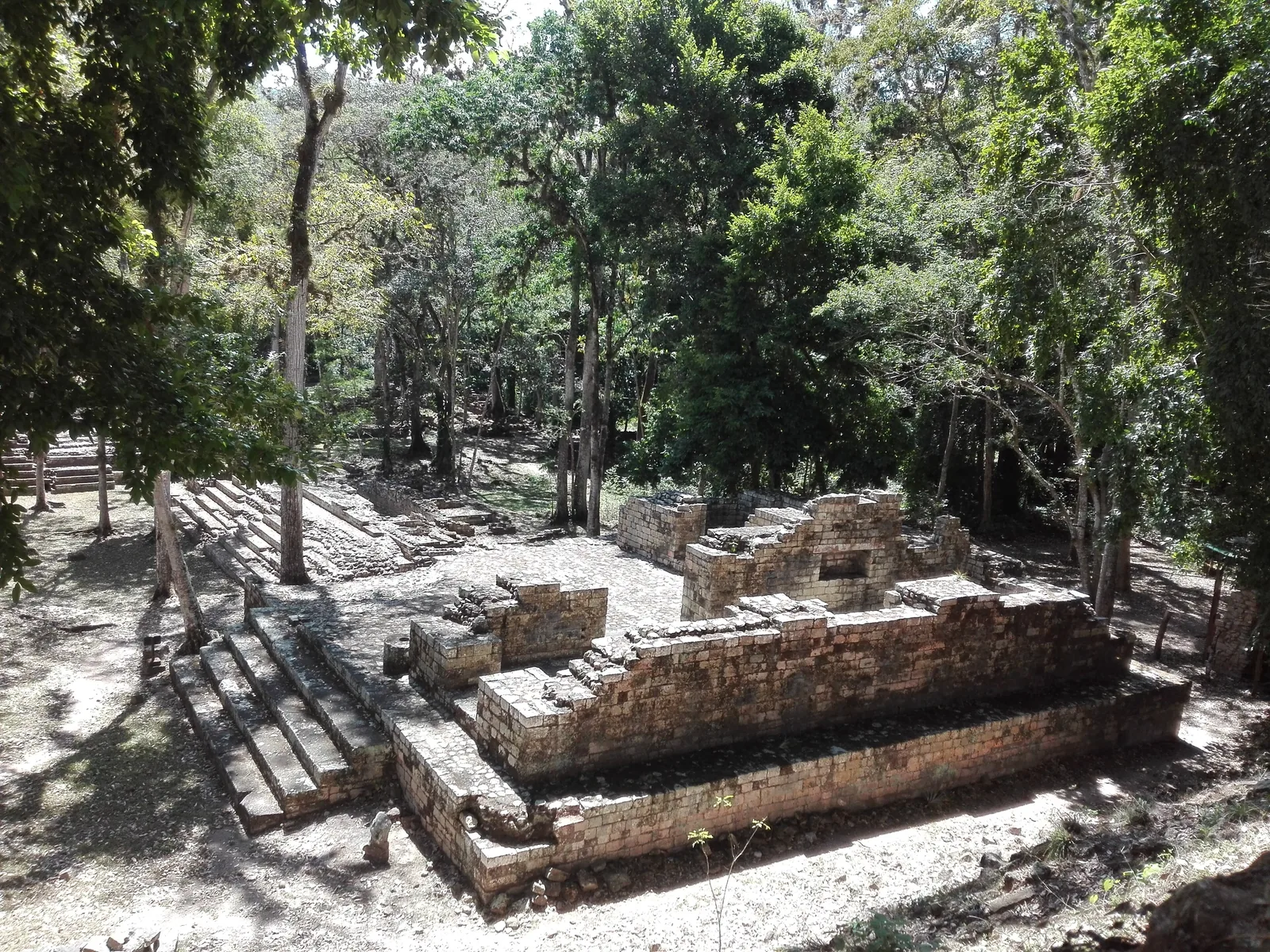
Photo by Mónica J. Mora, CC BY-SA 4.0, via Wikimedia Commons. Resized for this page.
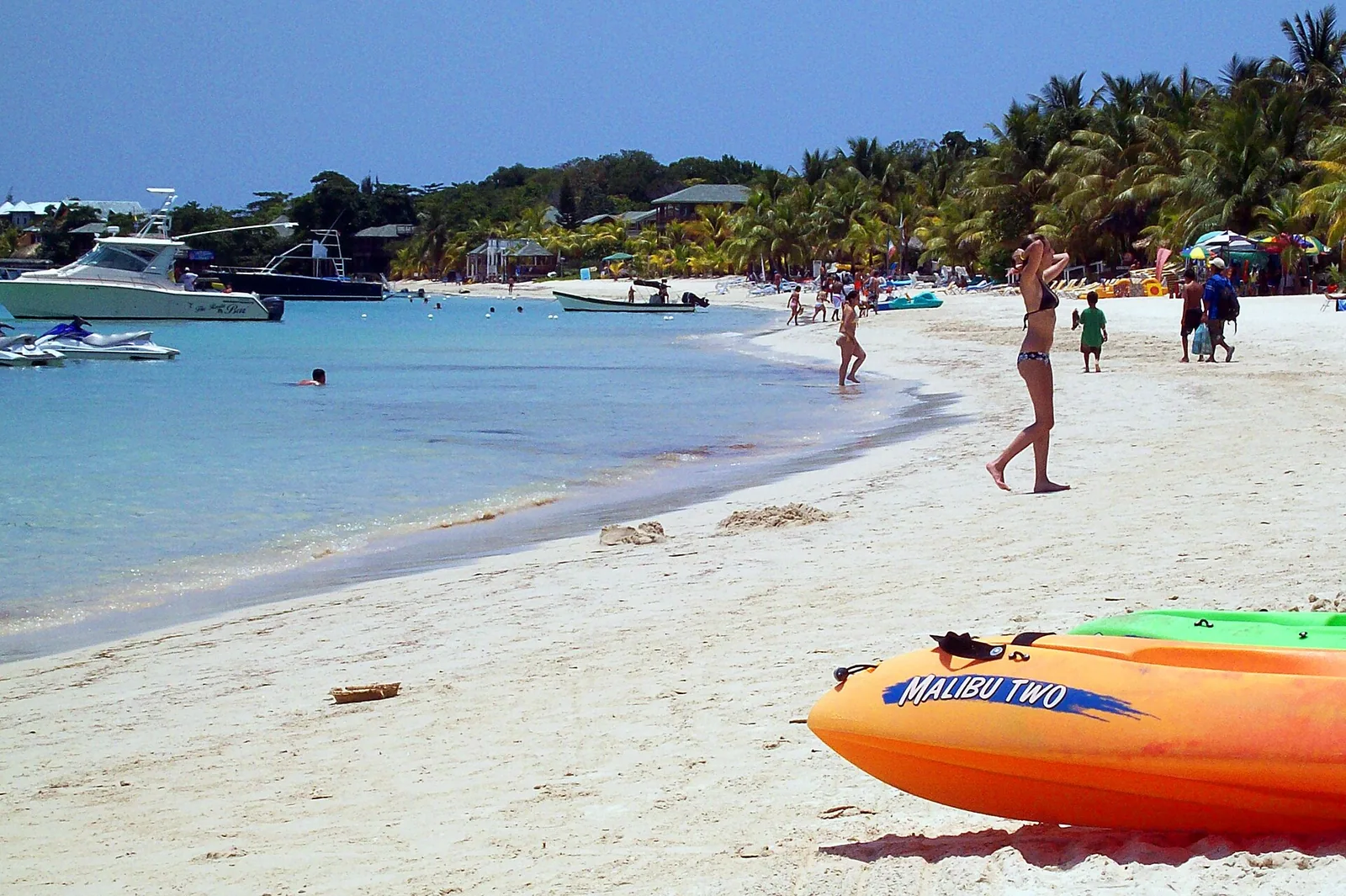
Honduras stretches from the Caribbean to the Pacific, with rainforests, a Maya archaeological treasure and a chain of islands famous among divers. Spanish is the official language. On the mainland, the ruins of Copán, a UNESCO World Heritage Site, are known for their intricate stelae and hieroglyphic stairway. The Bay Islands, especially Roatán and Utila, offer coral reefs, clear water and a relaxed island culture where English is also widely spoken. The north coast around La Ceiba and nearby Garifuna communities shows a different, Afro-Caribbean side of the country.
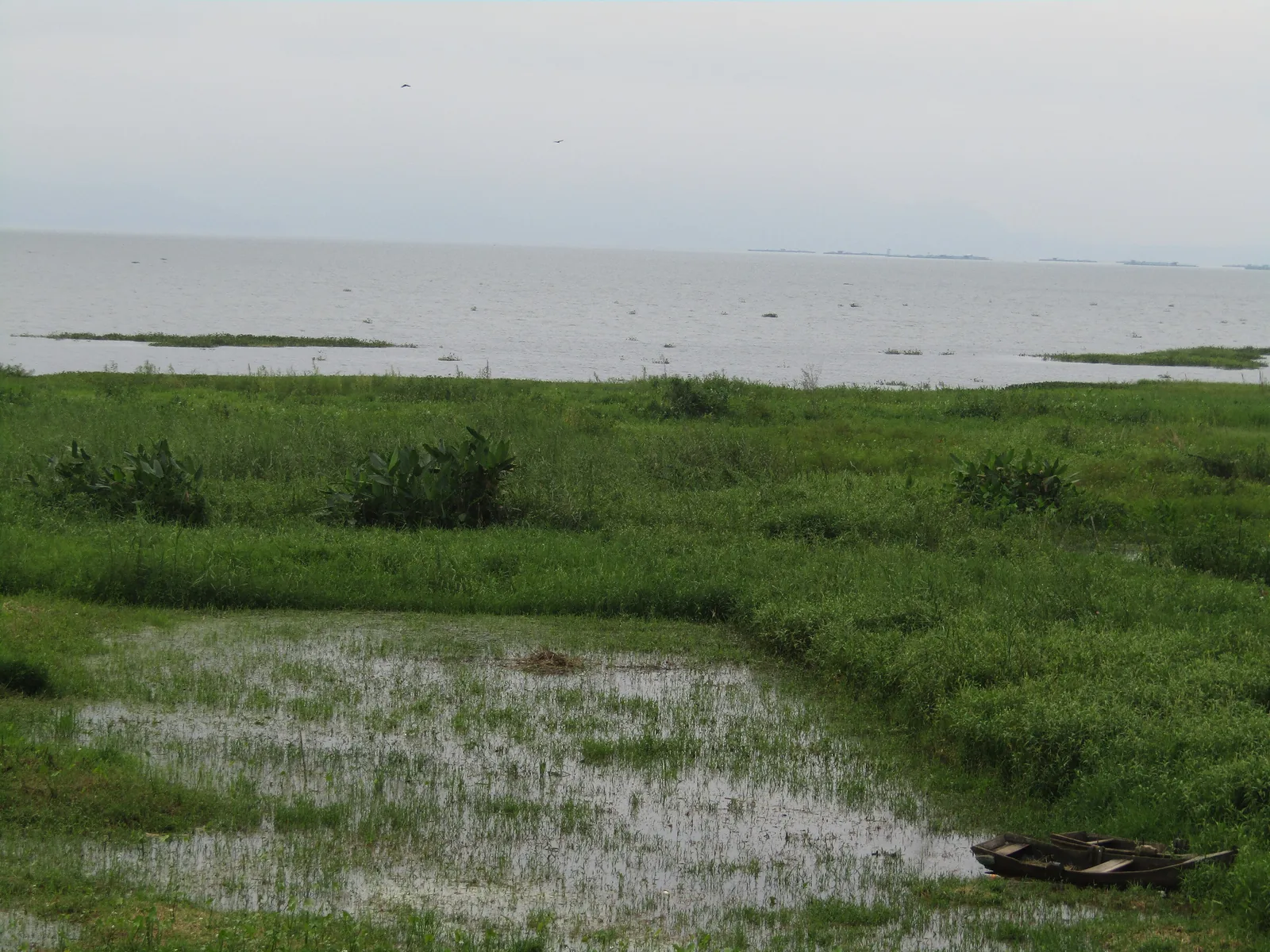
Travelers also visit Lake Yojoa, cloud forests and, for the more adventurous, the remote Río Plátano Biosphere Reserve in the east.
Before planning a trip, check your government's current official travel advisories, as conditions and safety recommendations can change. The drier months, roughly December to April, are generally the most comfortable time for both the ruins and the islands. June to November is the hurricane season along the Caribbean coast.
Honduras
 Honduras
 Honduras
: Money
Honduras's currency is the lempira (HNL), often written as L. US dollars are widely used in the Bay Islands and sometimes accepted at tourist hotels on the mainland, but lempiras are more practical for everyday purchases.
- Cash vs. card: Cards are accepted at many hotels, dive shops and restaurants in Roatán, Utila and larger cities. Buses, small eateries, markets and towns around Copán or Lake Yojoa are often cash only. If you pay in dollars, change may come back in lempiras, so keep small local notes on hand.
- ATMs and fees: ATMs are easiest to find in Tegucigalpa, San Pedro Sula, La Ceiba and on Roatán. They can be limited on Utila and in smaller mainland towns, so withdraw before you go. Use machines inside banks or shopping areas when you can. Fees may apply.
- Tipping: Around 10% is appreciated in restaurants when a service charge is not already included. Dive and tour guides are typically tipped in cash.
- Exchanging money: Banks and licensed exchange offices are safer than unofficial street offers. Clean US dollar notes are the easiest foreign currency to change.
- Common scams: Count your change, confirm the currency of a quoted price, and be cautious at ATMs, especially after dark or at standalone machines on the street.