
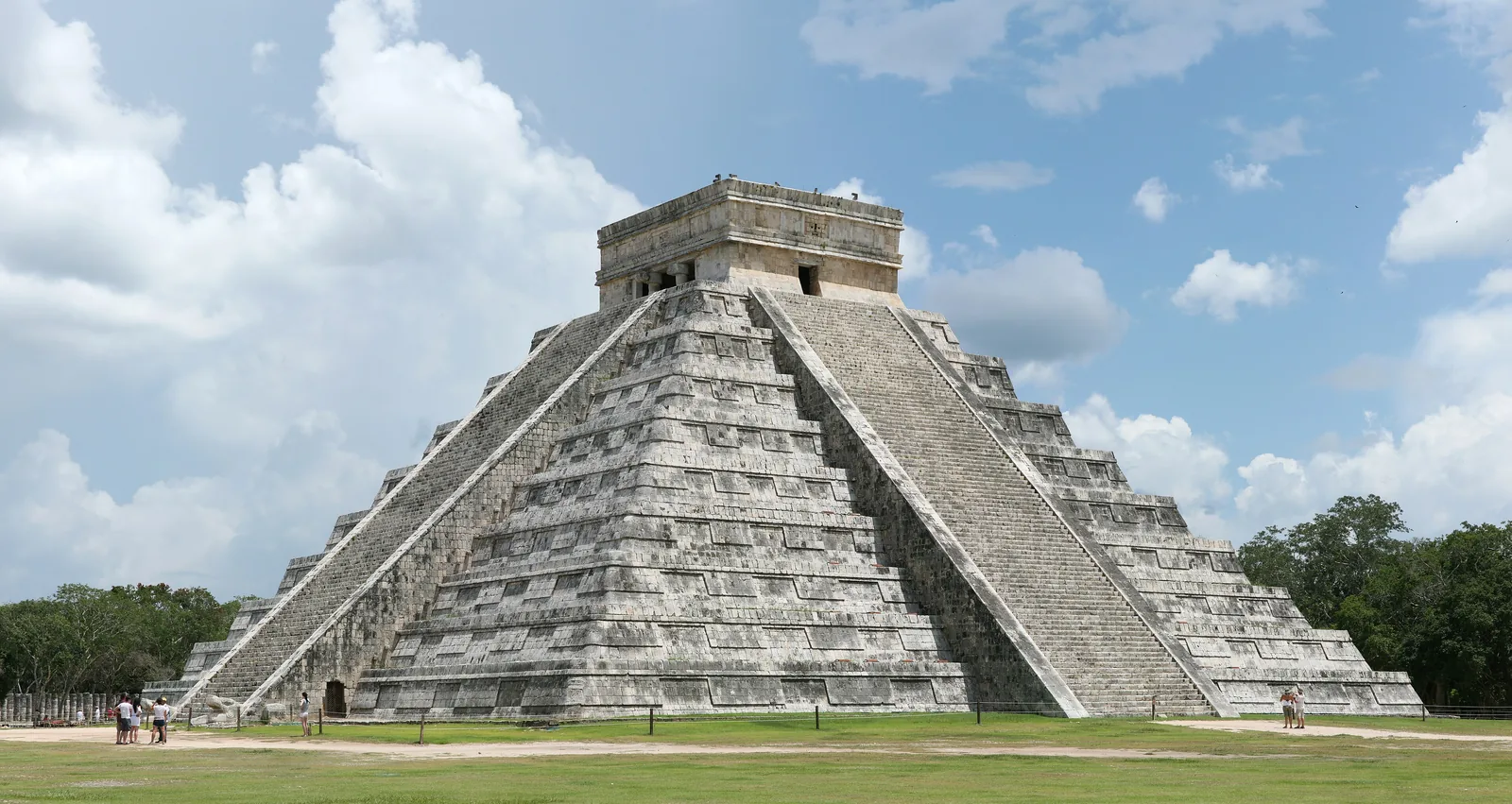
 Mexico
Photo by Daniel Schwen, CC BY-SA 4.0, via Wikimedia Commons. Resized for this page.
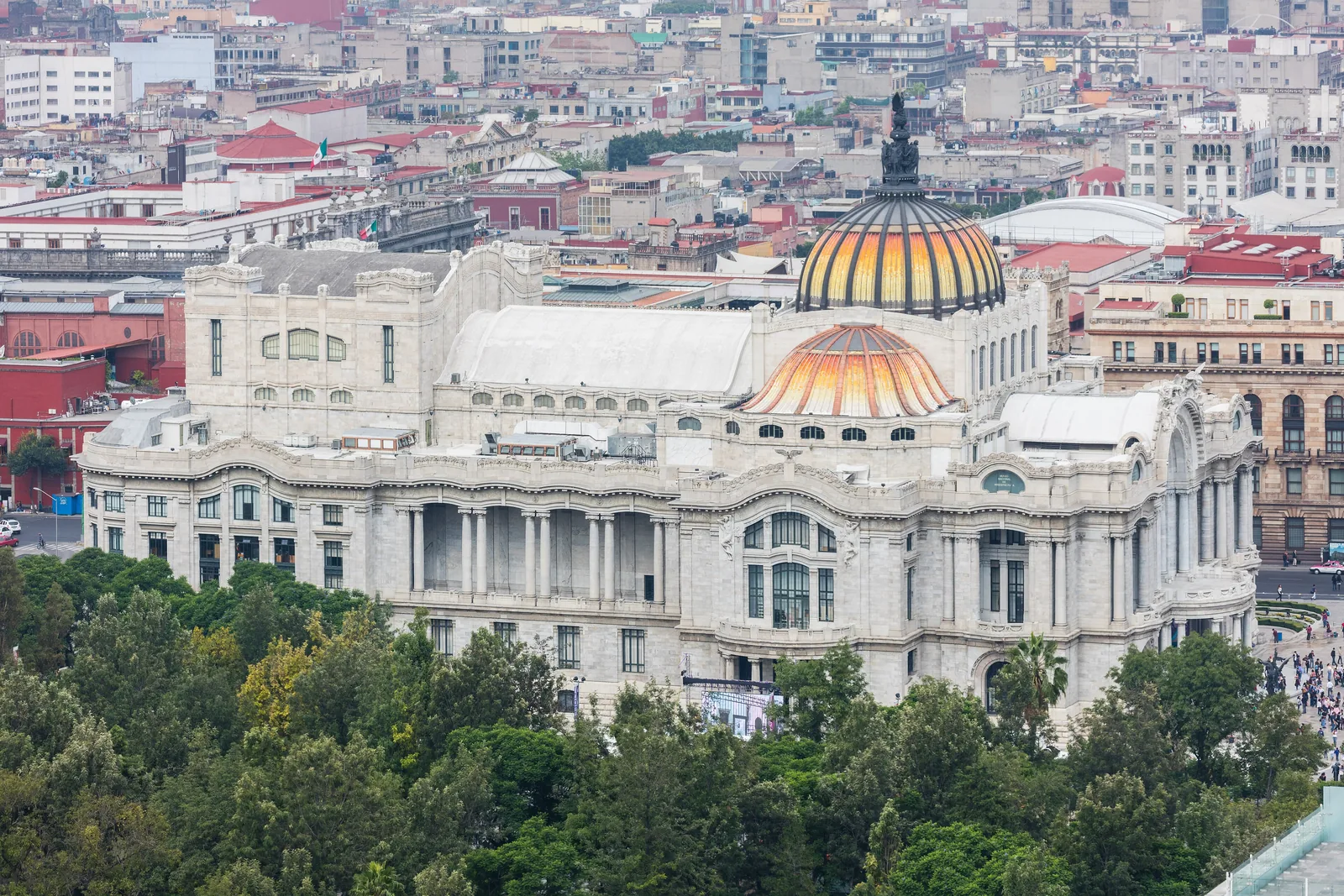
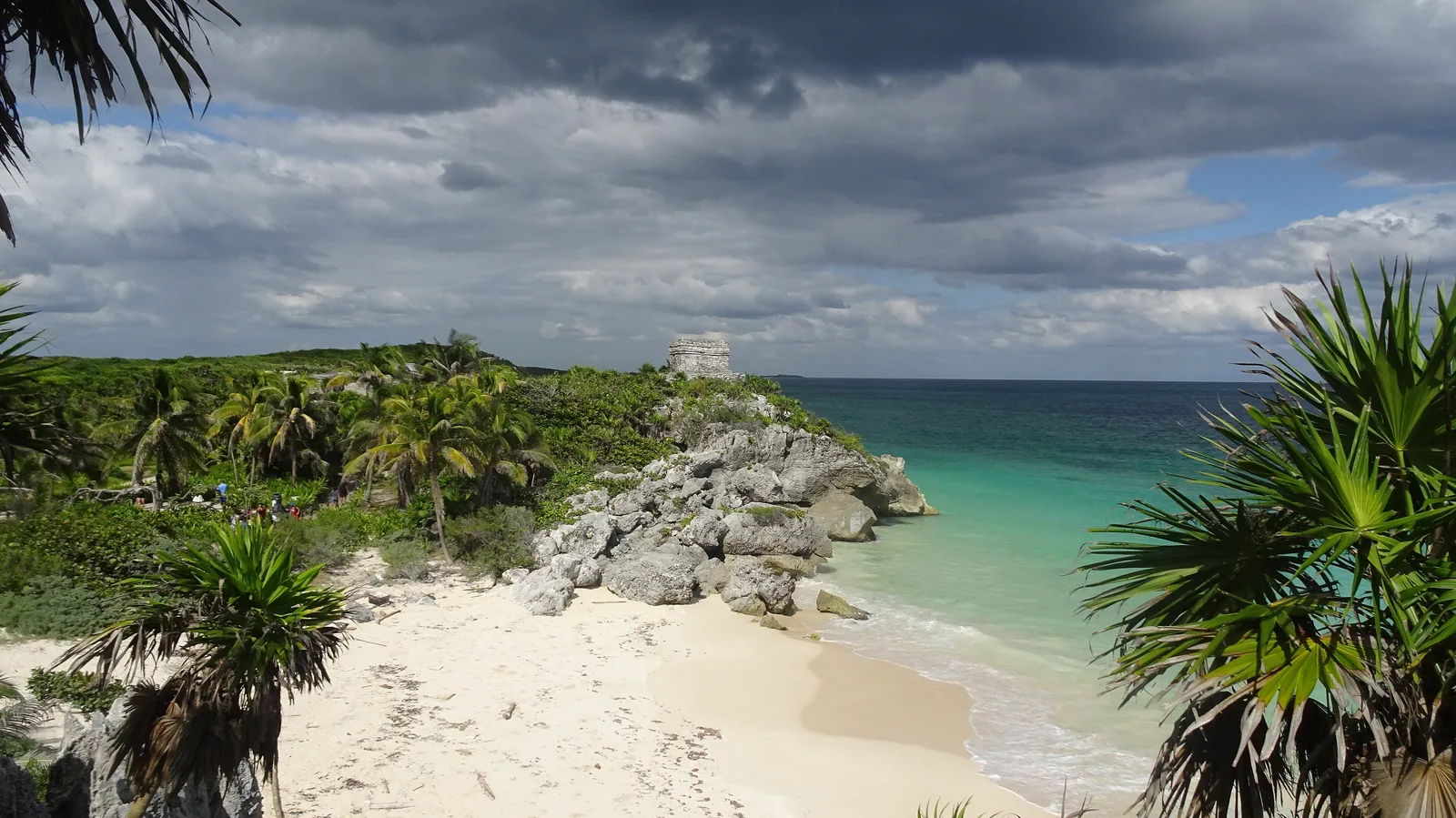
Mexico is a vast country of ancient cities, distinctive regional cuisines and landscapes that run from desert and canyon to cloud forest and Caribbean reef. Spanish is the official language. Mexico City is one of the great capitals of the Americas, with world-class museums, pre-Hispanic ruins at its heart and a food scene that rewards lingering. To the east, the Yucatán Peninsula holds Maya sites such as Chichén Itzá, colonial towns like Mérida, and cenotes and beaches along the Caribbean coast.
Elsewhere, travelers explore the temples and markets of Oaxaca, Pacific beaches, the canyons of the north, and highland colonial cities such as Guanajuato and San Miguel de Allende. Conditions can vary by region, so check your government's current official travel advisories when you plan your itinerary.
The best time to visit depends on where you go. November to April is generally drier in much of the country. Summer and early autumn bring more rain, and the hurricane season can affect both the Caribbean and Pacific coasts.
Mexico
 Mexico
 Mexico
: Money
Mexico's currency is the Mexican peso (MXN), written with a $ sign, so double-check whether a price is in pesos or US dollars, especially in resort areas.
- Cash vs. card: Cards are widely accepted in hotels, restaurants and shops in cities and tourist destinations. Markets, street-food stands, local buses, colectivos and many small towns are cash only. Some beach destinations quote prices in US dollars; paying in pesos is usually better value. Keep small peso notes for tips and everyday purchases.
- ATMs and fees: ATMs are widely available in cities and resort towns, preferably inside banks, supermarkets or shopping centers. Fees and withdrawal limits vary, so fewer, larger withdrawals can help. Choose to be charged in pesos if the machine offers a conversion to your home currency.
- Tipping: Tipping is customary. In sit-down restaurants, around 10 to 15% is typical when a tip is not already included. Guides, drivers, bellhops and, in tourist areas, bartenders and housekeeping staff are often tipped in cash.
- Exchanging money: Banks and licensed casas de cambio are safer than street changers or informal booths. Many travelers find withdrawing pesos from an ATM simpler. Bring your passport, which may be required to exchange cash.
- Common scams: Watch for counterfeit notes, count your change, and check the amount on the card machine before you pay. Be cautious of unsolicited help at ATMs and of timeshare or excursion pitches that come with pressure to pay on the spot.