
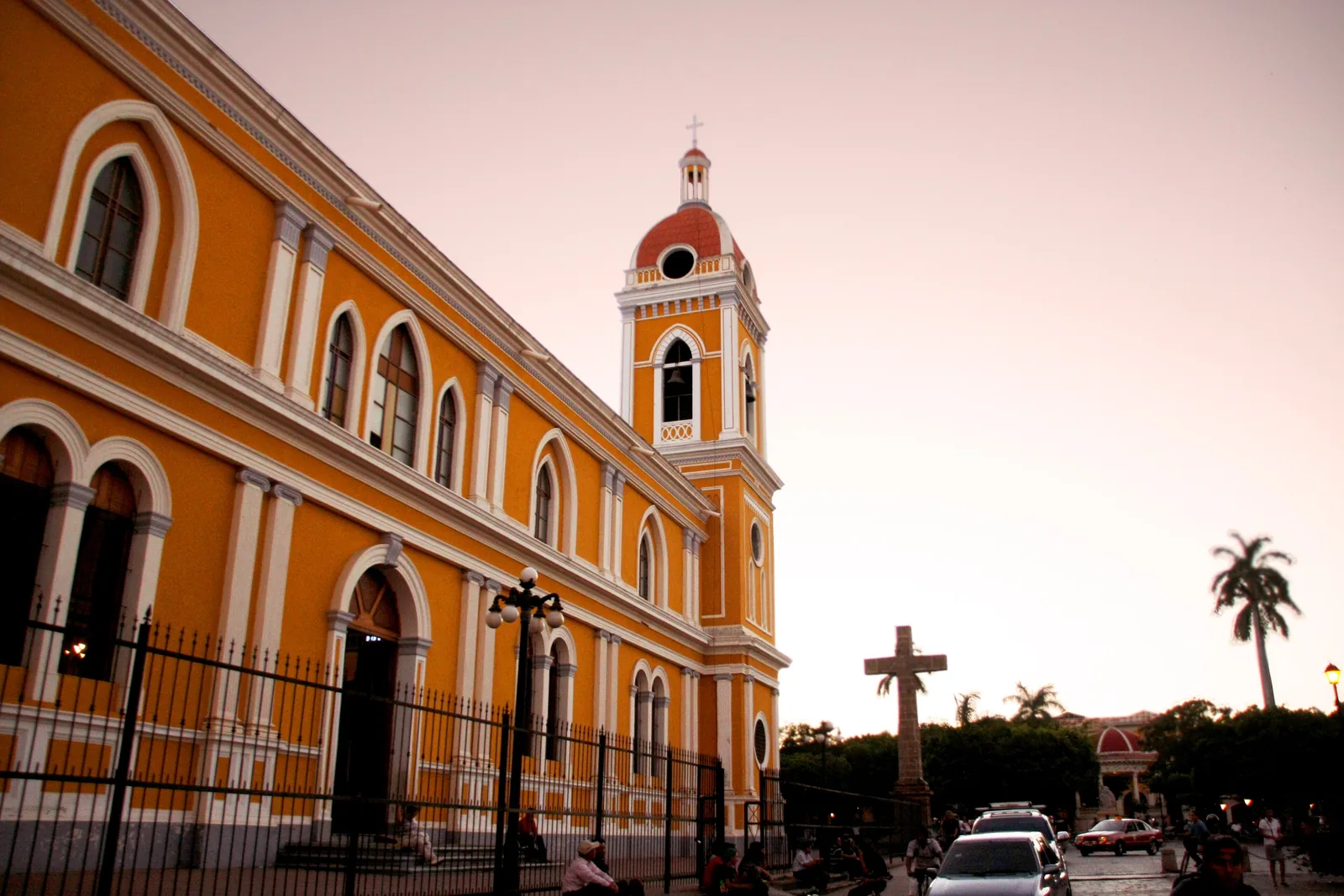
 Nicaragua
Photo by JacobKlinger, CC BY-SA 3.0, via Wikimedia Commons. Resized for this page.
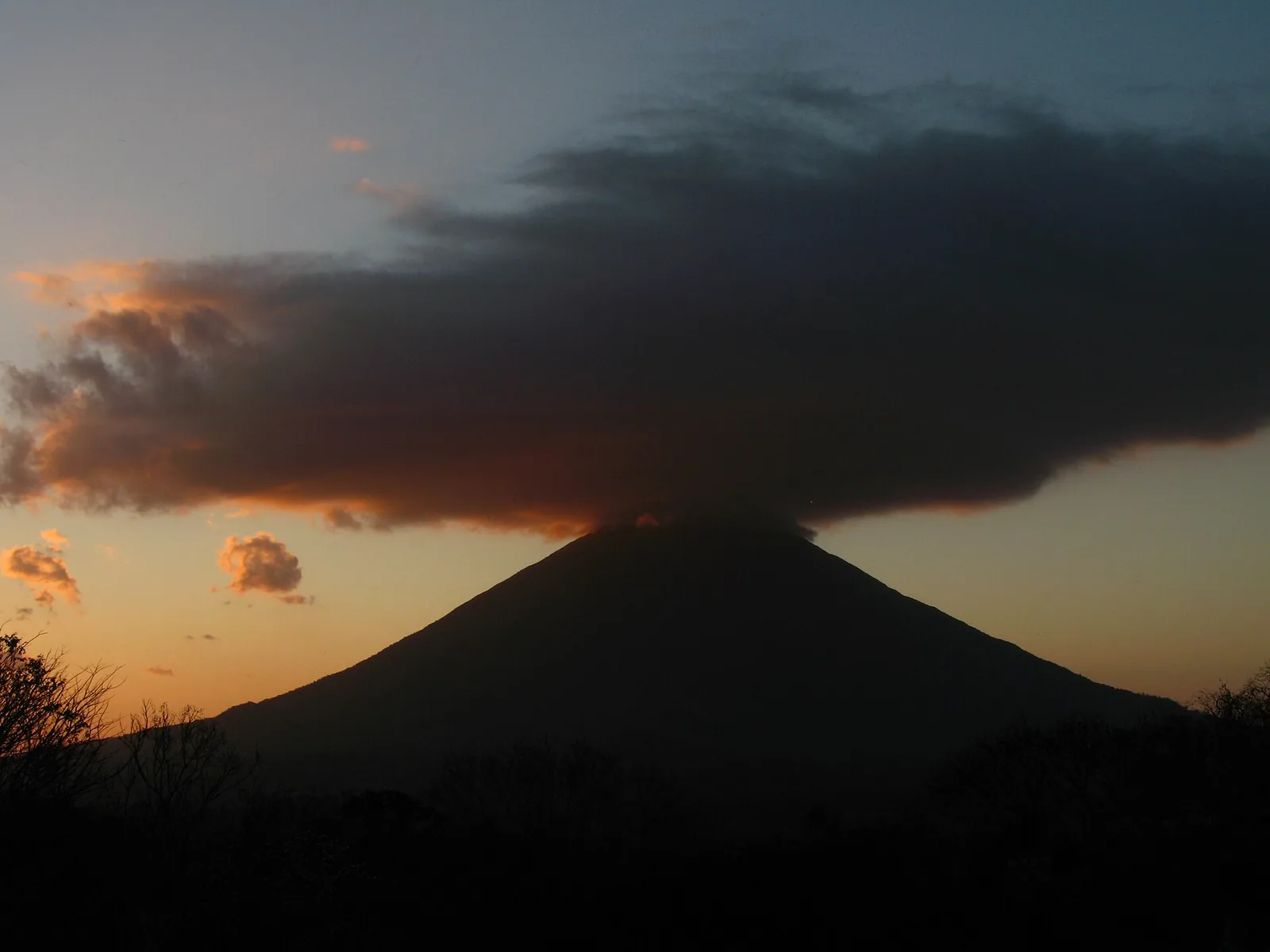
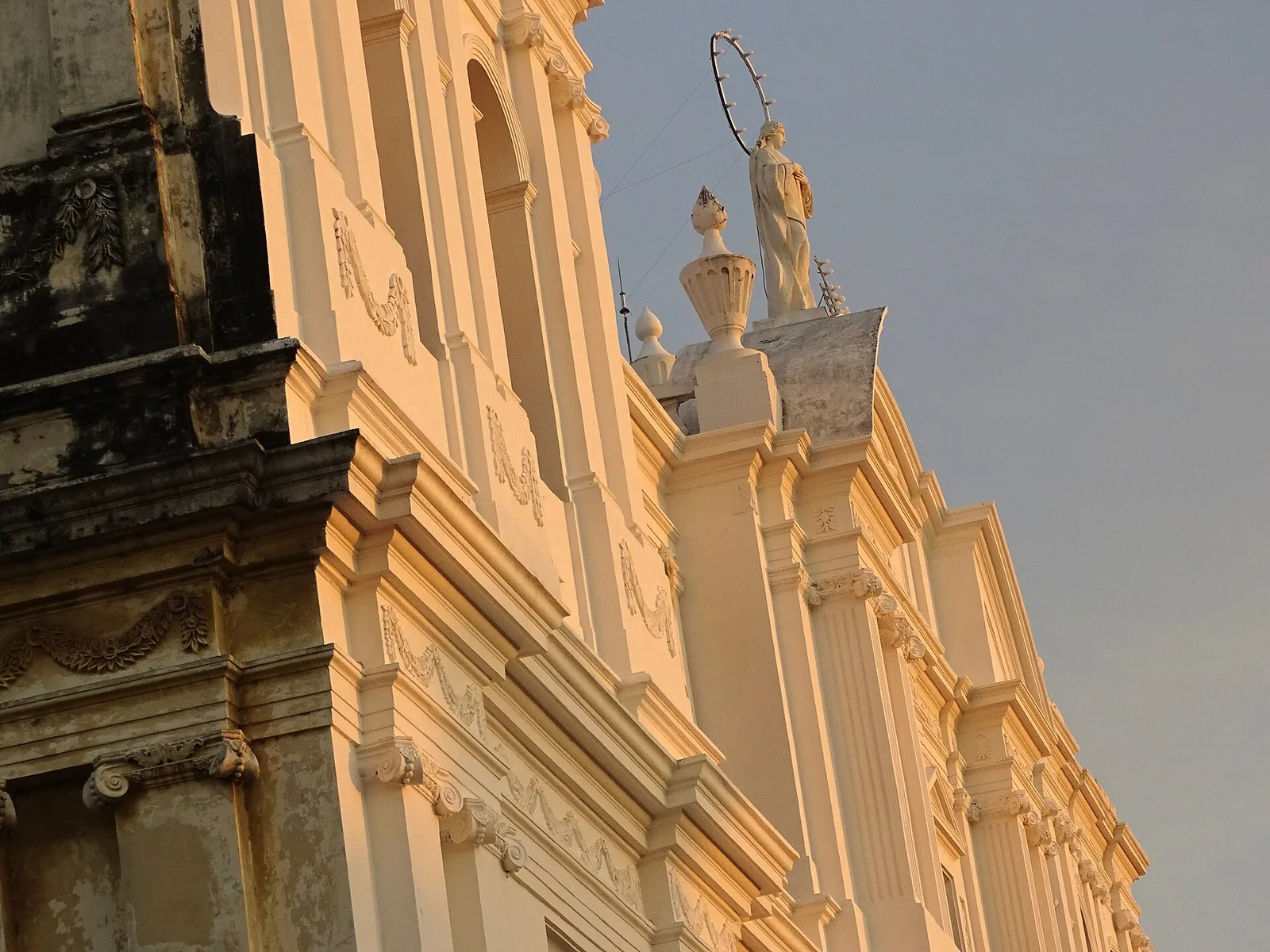
Nicaragua is a country of colonial cities, volcanoes and coasts on both the Pacific and the Caribbean. Spanish is the official language. Granada, on the shore of Lake Nicaragua, is a colorful city of churches, courtyards and boat trips among the small islands just offshore. León, to the northwest, has a proud intellectual and political history and a striking cathedral. Between them, volcanoes offer hiking and views, and Ometepe, an island of two volcanoes in the lake, is a highlight for many travelers.
On the Pacific, surf towns and beaches stretch along the coast, while the Caribbean side, including the Corn Islands, feels distinct in language and culture, with English Creole widely spoken in places.
Before planning a trip, check your government's current official travel advisories, as conditions and safety recommendations can change. The dry season, roughly November to April, is the most popular time to visit. The rainy months are greener, with fewer visitors, though some rural roads can be more difficult.
Nicaragua
 Nicaragua
 Nicaragua
: Money
Nicaragua's currency is the córdoba (NIO), often written as C$. The central bank sets an official exchange rate. US dollars are widely used in cash, especially for hotels and tours, but card payments in the country are settled in córdobas, and everyday prices should be displayed in the local currency.
- Cash vs. card: Cards are accepted at many hotels, restaurants and shops in Managua, Granada, León and other towns, but cash is essential for markets, local transport, smaller eateries and travel to Ometepe, the Pacific beaches or the Corn Islands. Carry a mix of córdobas and clean US dollar notes in small bills. Confirm the currency of a quoted price before you pay.
- ATMs and fees: ATMs are available in major cities and can sometimes dispense córdobas or US dollars, but they are not always reliable and can have limited withdrawal amounts. Withdraw what you need before heading to rural areas or the islands, and use machines inside banks or shopping centers during the day. Fees may apply.
- Tipping: Around 10% is appreciated in restaurants when a service charge is not already included. Tour guides and drivers are typically tipped in cash.
- Exchanging money: US dollars are the foreign currency you can most easily exchange, at banks or official exchange offices. Other currencies are harder to change. Avoid informal street offers, and bring clean, undamaged dollar notes, as worn bills may be refused.
- Common scams: Count your change, keep your card in sight, and be cautious of ATM or card fraud. Confirm whether a price is in córdobas or dollars before you pay.