
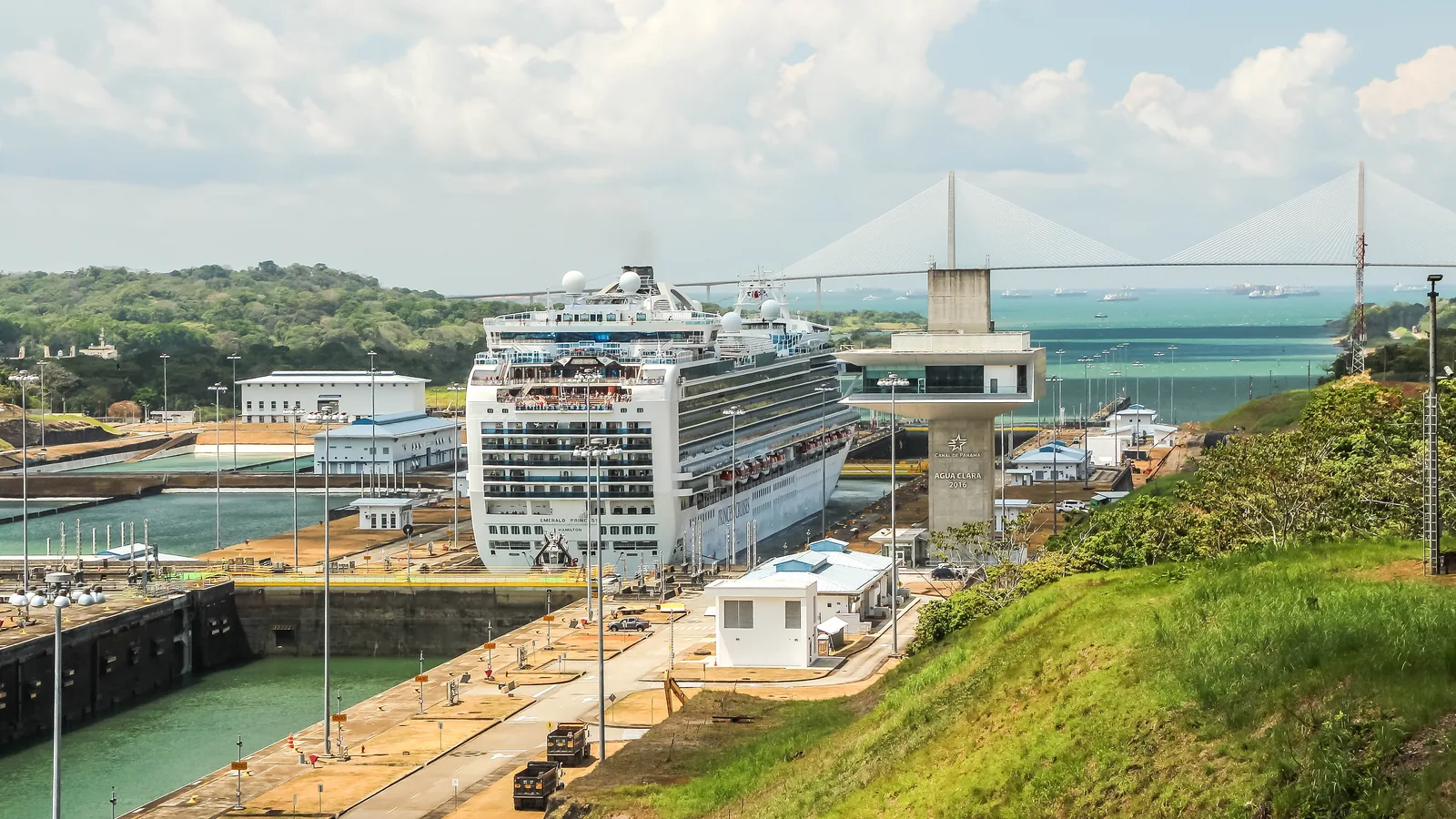
 Panama
Photo by Dr. Thomas Liptak, CC BY-SA 4.0, via Wikimedia Commons. Resized for this page.
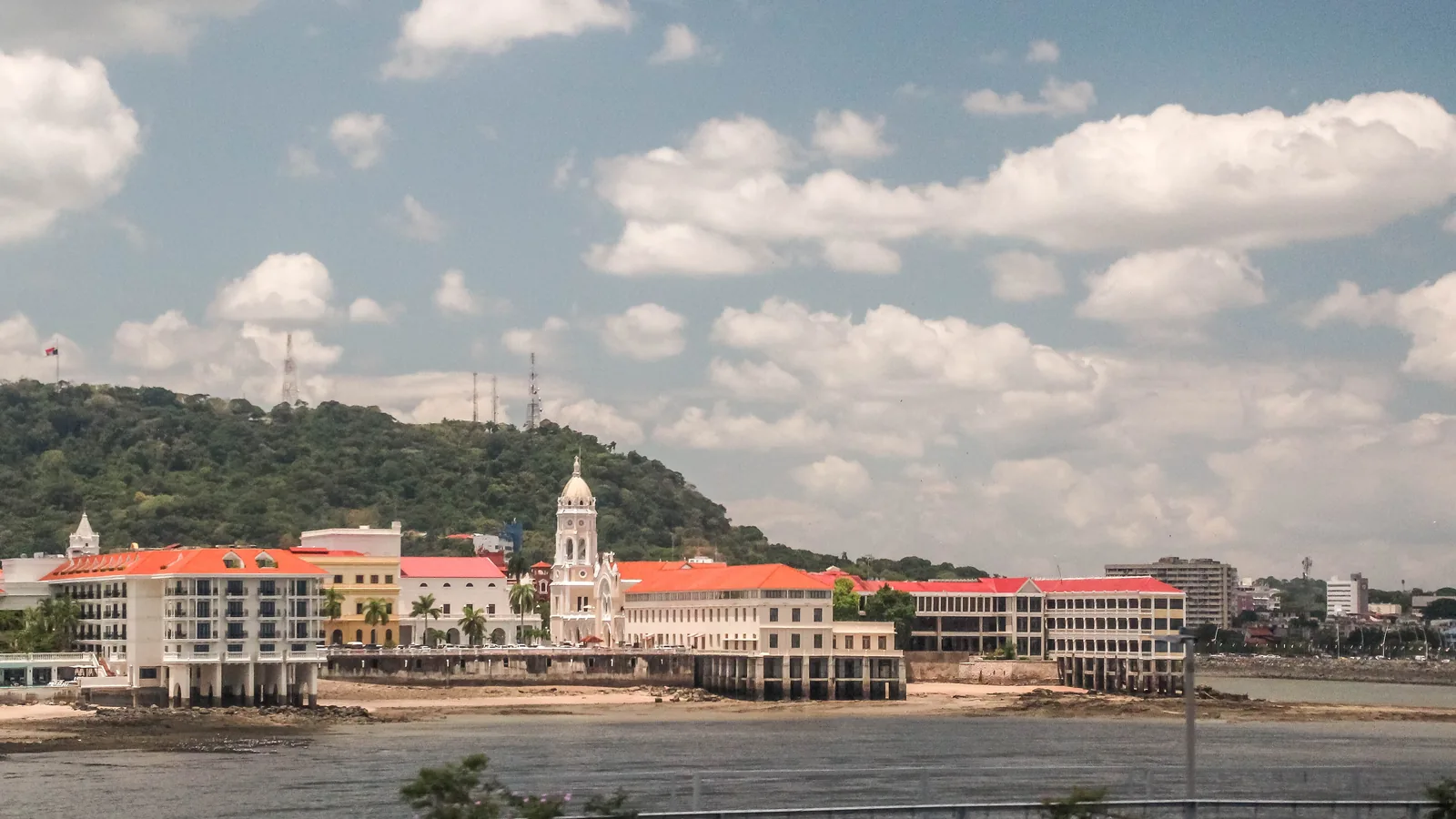
Panama is a narrow isthmus between the Caribbean and the Pacific, best known for its canal and for a surprising range of landscapes in a relatively small country. Spanish is the official language. Panama City pairs a modern skyline with Casco Viejo, a restored historic quarter and UNESCO World Heritage Site, and the nearby engineering marvel of the Panama Canal. A short distance from the capital, rainforest begins, and the city is one of the few where you can watch ships transit a canal and then spend the afternoon in a national park.
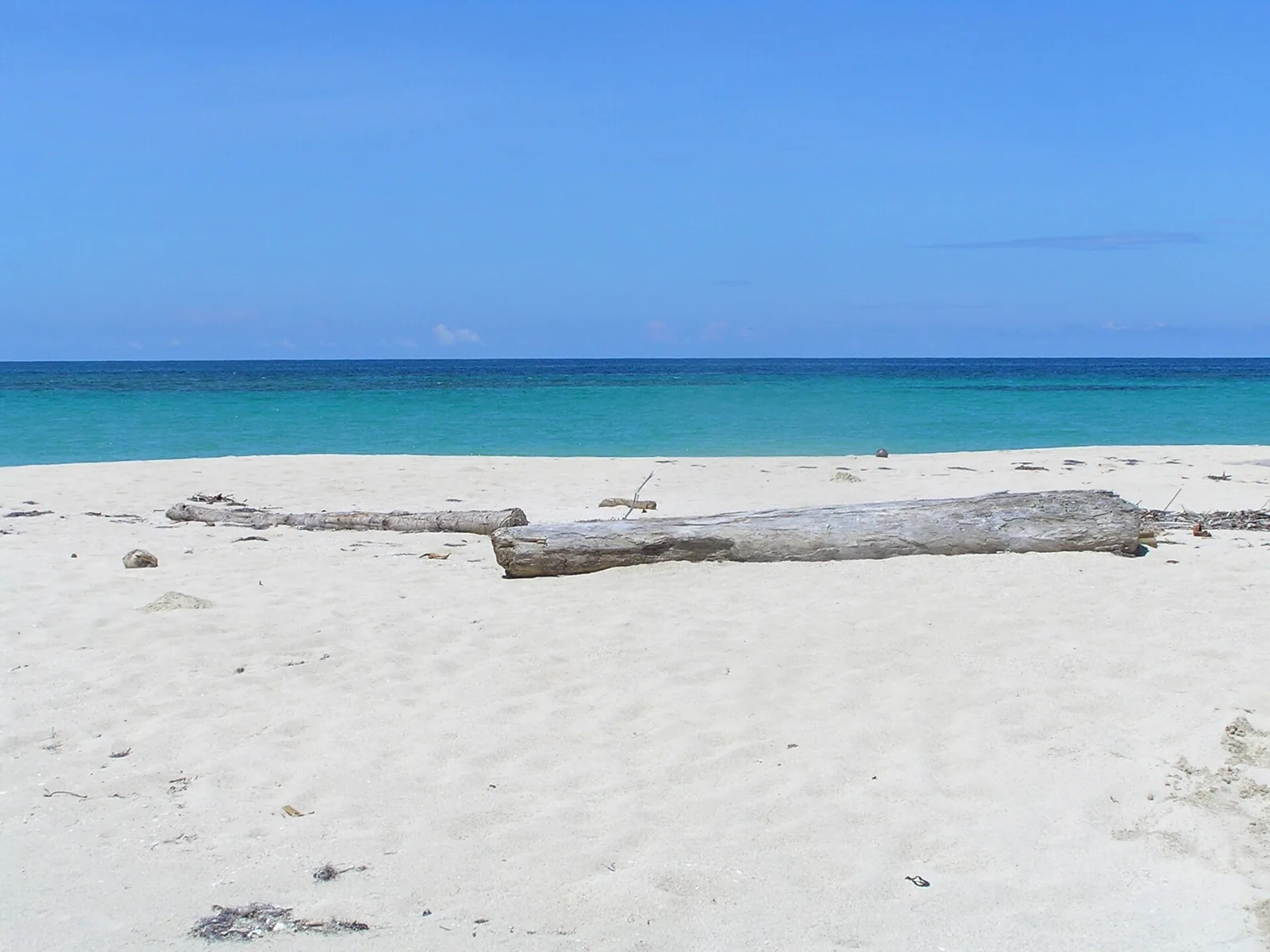
Farther afield, Bocas del Toro and the Guna Yala (San Blas) islands offer Caribbean water and island culture, while the highlands around Boquete are known for cool air, coffee and cloud-forest trails.
The dry season on the Pacific side, roughly mid-December to April, is the most popular time to visit. The Caribbean coast can be wetter year-round, with its own slightly different pattern of rain.
Panama
 Panama
 Panama
: Money
Panama's official currency is the balboa (PAB), which is pegged to the US dollar. In practice, US dollar notes are used everywhere; balboa coins circulate alongside US coins, and there are no balboa banknotes.
- Cash vs. card: Cards are widely accepted in Panama City, in hotels and in many restaurants and shops. Cash is more important in Bocas del Toro, in the Guna Yala islands, in smaller highland towns and for local buses and taxis. Carry small dollar bills, as large notes can be hard to break outside the capital.
- ATMs and fees: ATMs are easy to find in Panama City and in larger towns, and they dispense US dollars. They can be scarce in parts of Bocas del Toro and are limited or absent in Guna Yala, so withdraw before those trips. Fees may apply.
- Tipping: Around 10% is customary in restaurants when a service charge is not already included. Check the bill before adding more. Guides, boat captains and drivers are typically tipped in cash.
- Exchanging money: If you arrive with US dollars in cash, you can use them immediately. Other currencies can be exchanged at banks in Panama City, but dollars are what you will spend day to day.
- Common scams: Count your change, especially when paying with large notes, and keep your card in sight. Be cautious of unofficial tour offers and of ATM distractions in crowded areas.