
 Bolivia
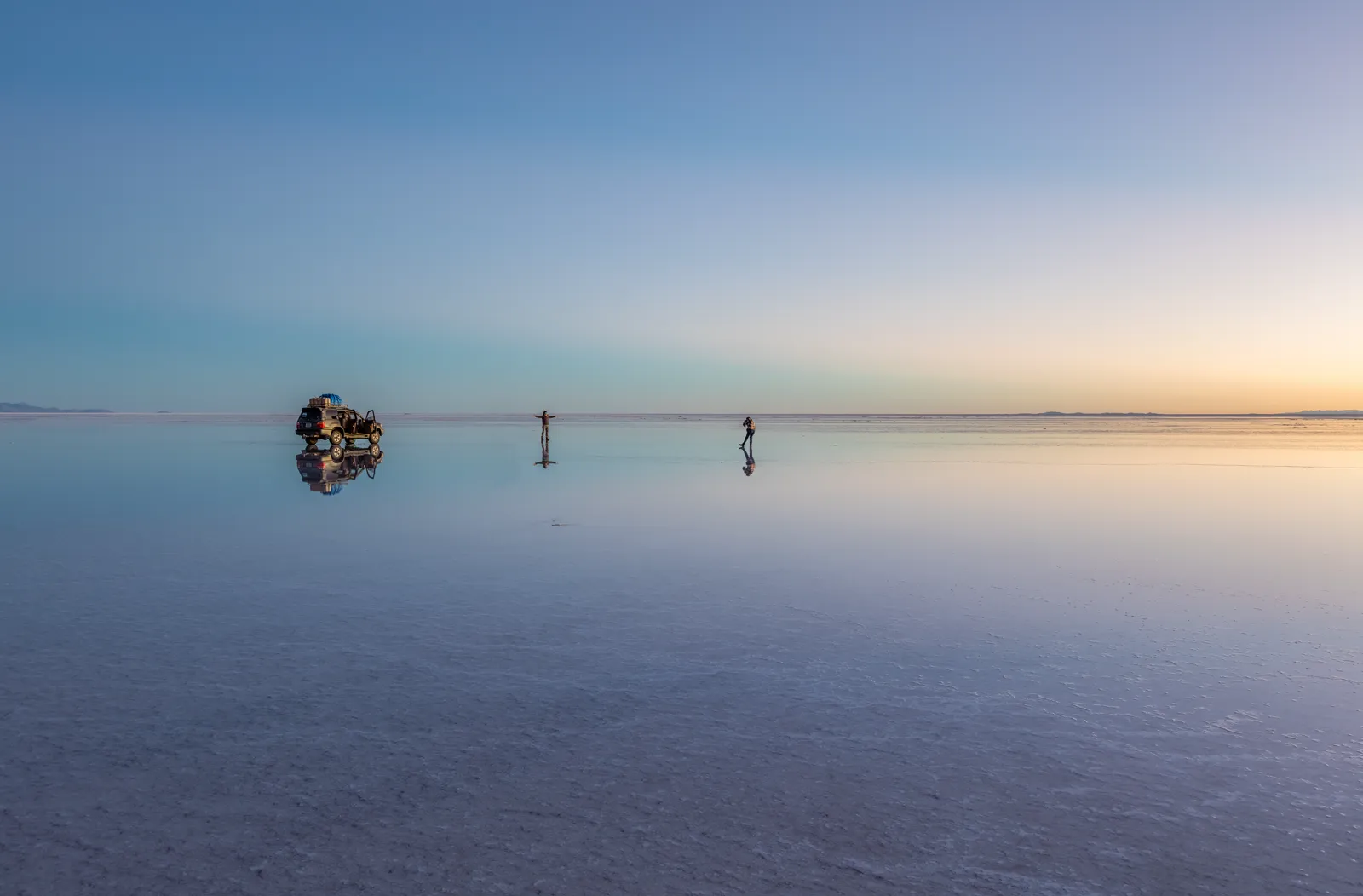
Photo by Diego Delso, CC BY-SA 4.0, via Wikimedia Commons. Resized for this page.
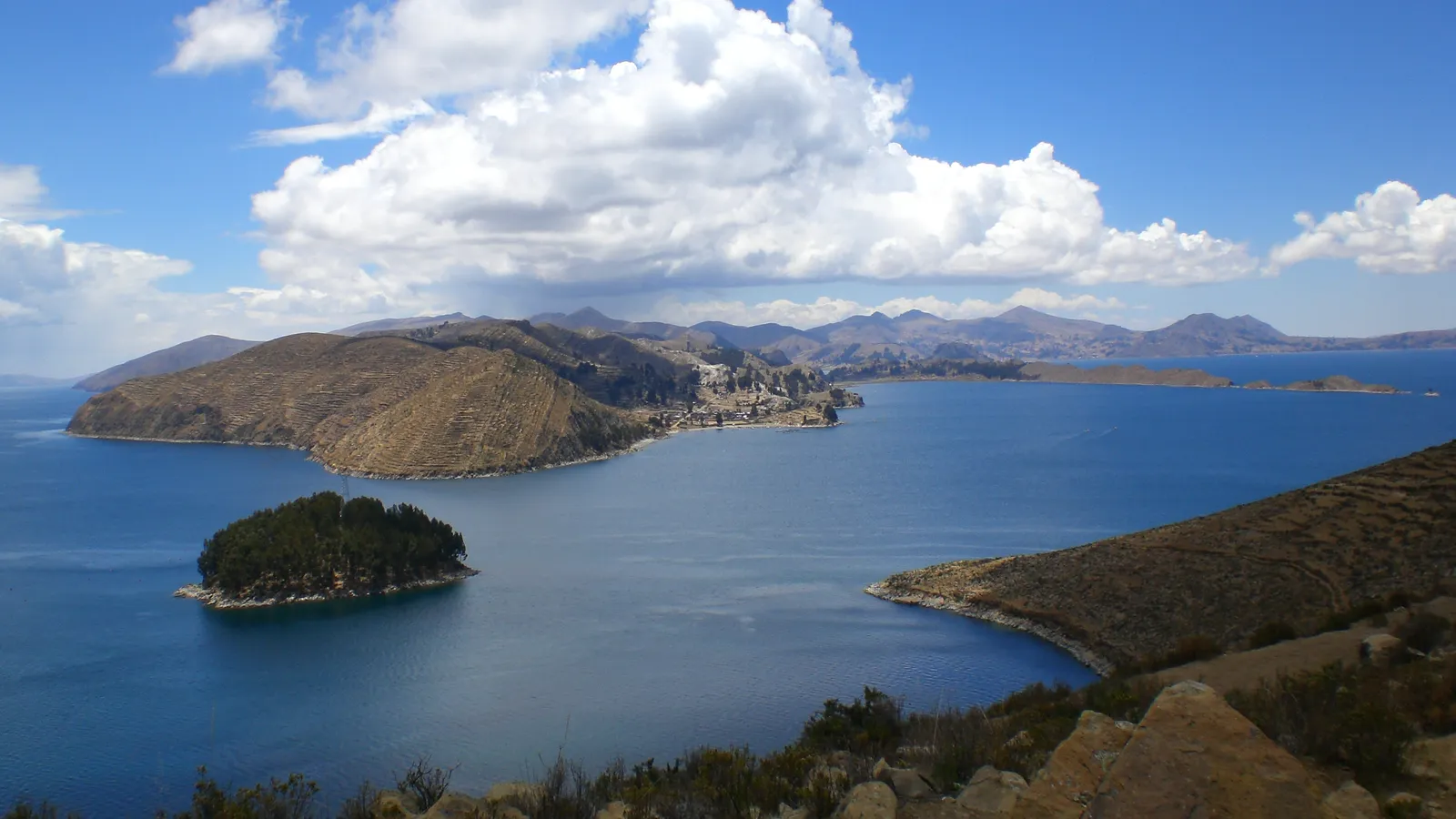
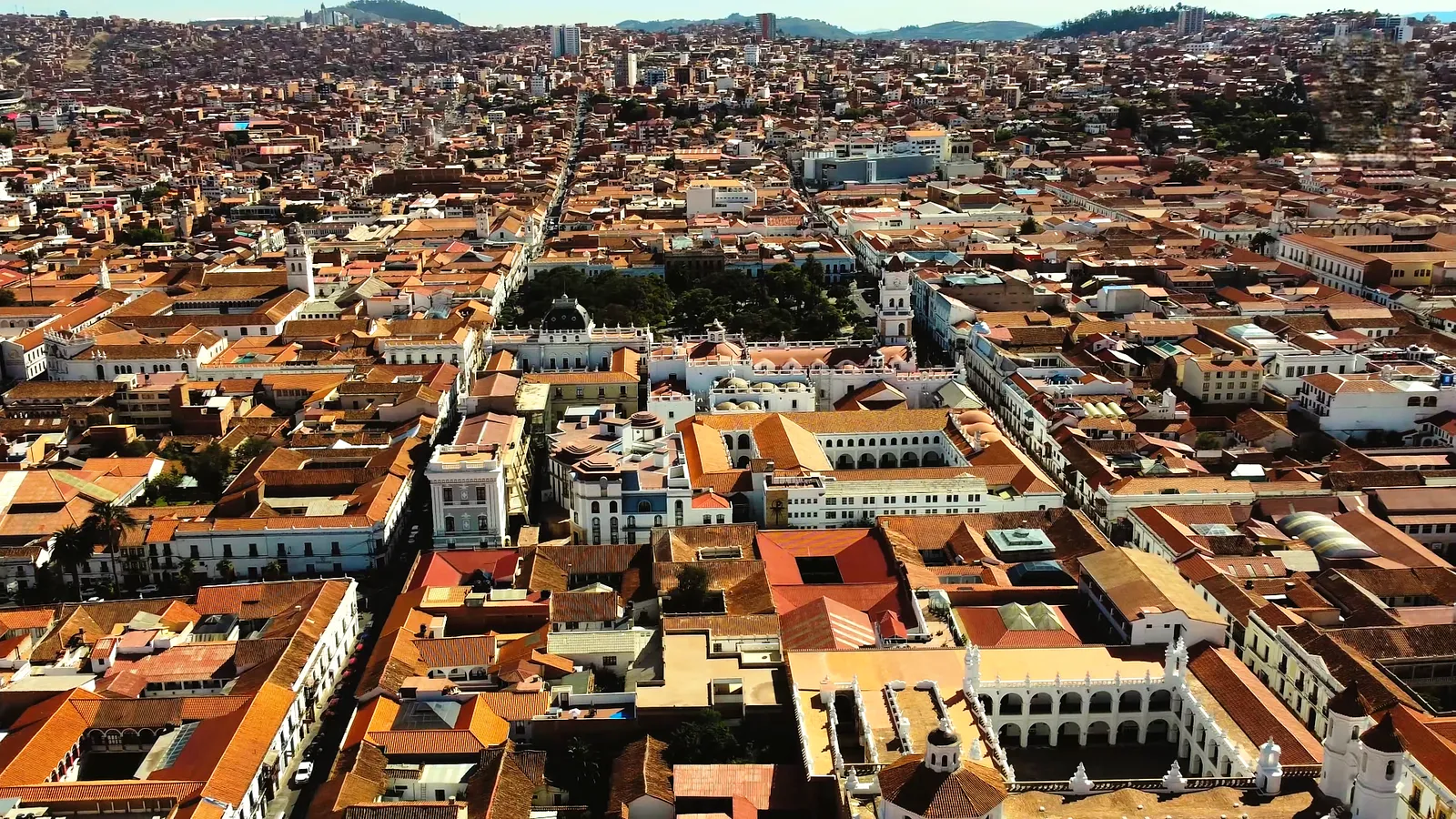
Bolivia is a land of dramatic contrasts, from the high Andean plateau to the Amazon lowlands. Spanish is an official language, alongside many Indigenous languages, including Quechua, Aymara and Guaraní. The landscapes are among the most striking in South America: the endless white of the Salar de Uyuni, the deep-blue waters of Lake Titicaca, the colonial streets of Sucre and Potosí, and bustling La Paz, set in a mountain bowl and linked by a network of cable cars.
Travelers come to walk on the world's largest salt flat, visit Isla del Sol on Lake Titicaca, wander Sucre's whitewashed center, and venture into the Amazon from Rurrenabaque or Madidi National Park. In the east, the Jesuit Missions of the Chiquitos offer a quieter, fascinating side of the country.
The dry season, roughly May to October, is generally the most comfortable time for the highlands and for the geometric patterns of the salt flat. From around December to April, rain can turn Uyuni into a vast mirror, though travel may be slower. Nights in the Andes are cold year-round, so pack layers.
Bolivia
 Bolivia
 Bolivia
: Money
Bolivia's currency is the boliviano (BOB), often written as Bs. Everyday prices are in bolivianos, and cash is still essential in much of the country.
- Official vs. parallel rate: Bolivia has an official exchange rate, published by the central bank, and a parallel or informal rate. For years, dollar shortages and a wide gap between the two made exchanging money complicated. The official rate is now more flexible, and the gap has narrowed a lot recently, but the situation can still change. Check current rates before you exchange, and use licensed exchange offices or banks rather than street changers.
- Cash vs. card: Cards are accepted in some hotels, restaurants and shops in larger cities such as La Paz, Santa Cruz and Sucre, but many tours, markets, buses and smaller towns are cash only. Carry enough bolivianos before heading to places like Uyuni, and bring clean, undamaged US dollar notes if you plan to exchange cash, as worn bills are often refused.
- ATMs and fees: ATMs are easiest to find in major cities and can have limited withdrawal amounts or run short of cash. Withdraw what you need before traveling to remote areas. Both your home bank and the local machine may charge a fee, so take out larger amounts less often.
- Tipping: Tipping is appreciated but not always expected. In restaurants, around 10% is a kind gesture when service is not already included. Tour guides and drivers are often tipped in cash.
- Common scams: Avoid unofficial street money changers, especially for larger amounts. Count your bills at the counter, check notes for counterfeits, and ask for a receipt.