
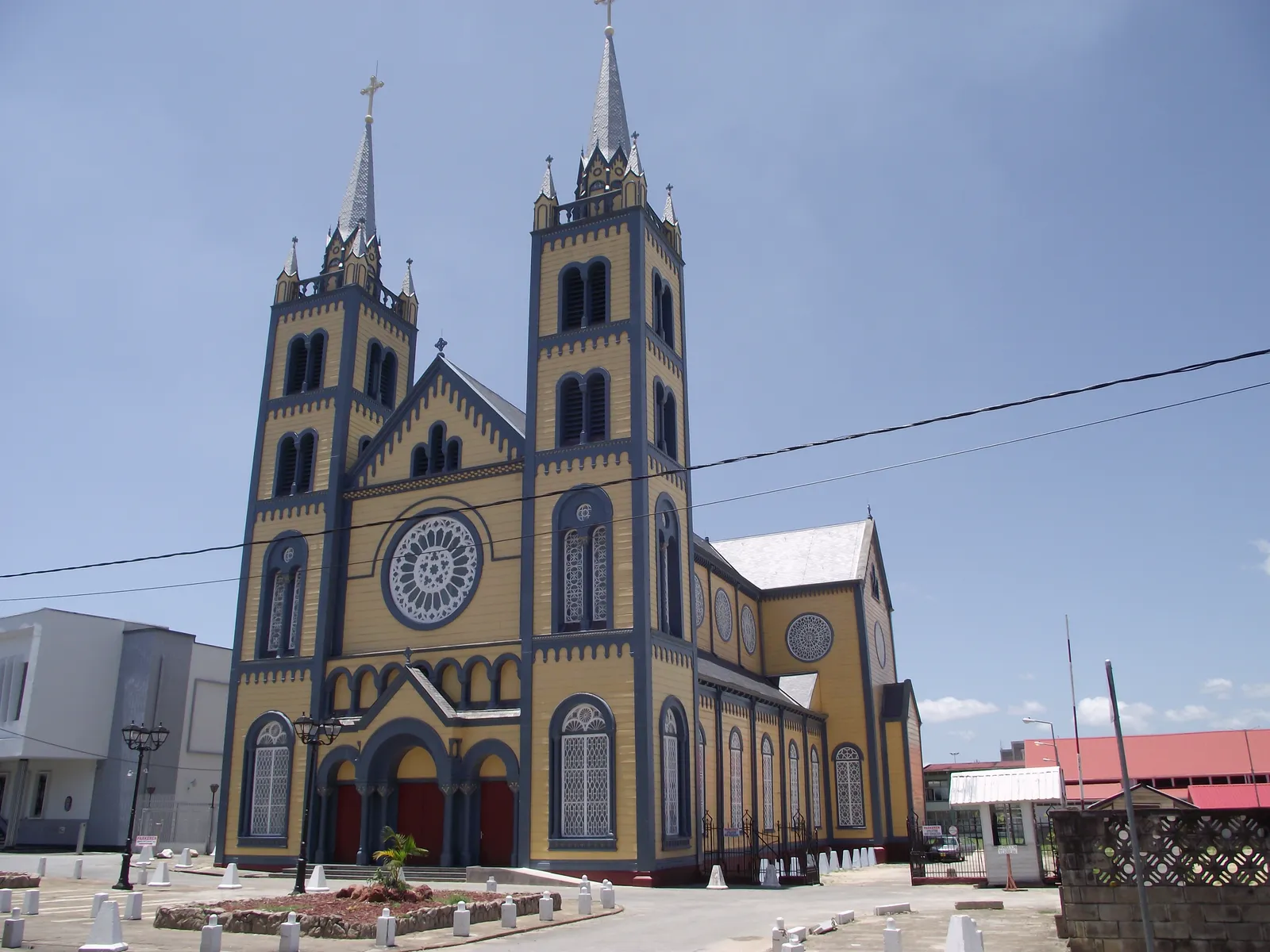
 Suriname
Photo by A. Tjon Kiem Sang, CC0 1.0, via Wikimedia Commons. Resized for this page.
Suriname is a small, richly multicultural country on the Atlantic edge of the Amazon. Dutch is the official language, while Sranan Tongo is widely spoken and English is commonly understood in tourist areas. The population includes Indigenous and Maroon communities, as well as people of Hindustani, Javanese, Creole, Chinese and European heritage, and that mix is wonderfully visible in the food of Paramaribo.
The capital's historic inner city, a UNESCO World Heritage Site, is known for its wooden colonial architecture along the Suriname River. From Paramaribo, boats lead into the rainforest, to jungle lodges, Brownsberg Nature Park and, further afield, the Central Suriname Nature Reserve. Along the coast, places such as Galibi are known for nesting sea turtles in season.
The drier periods, roughly February to April and August to November, are generally the most comfortable for travel, though rain is possible year-round in this tropical climate.
Suriname
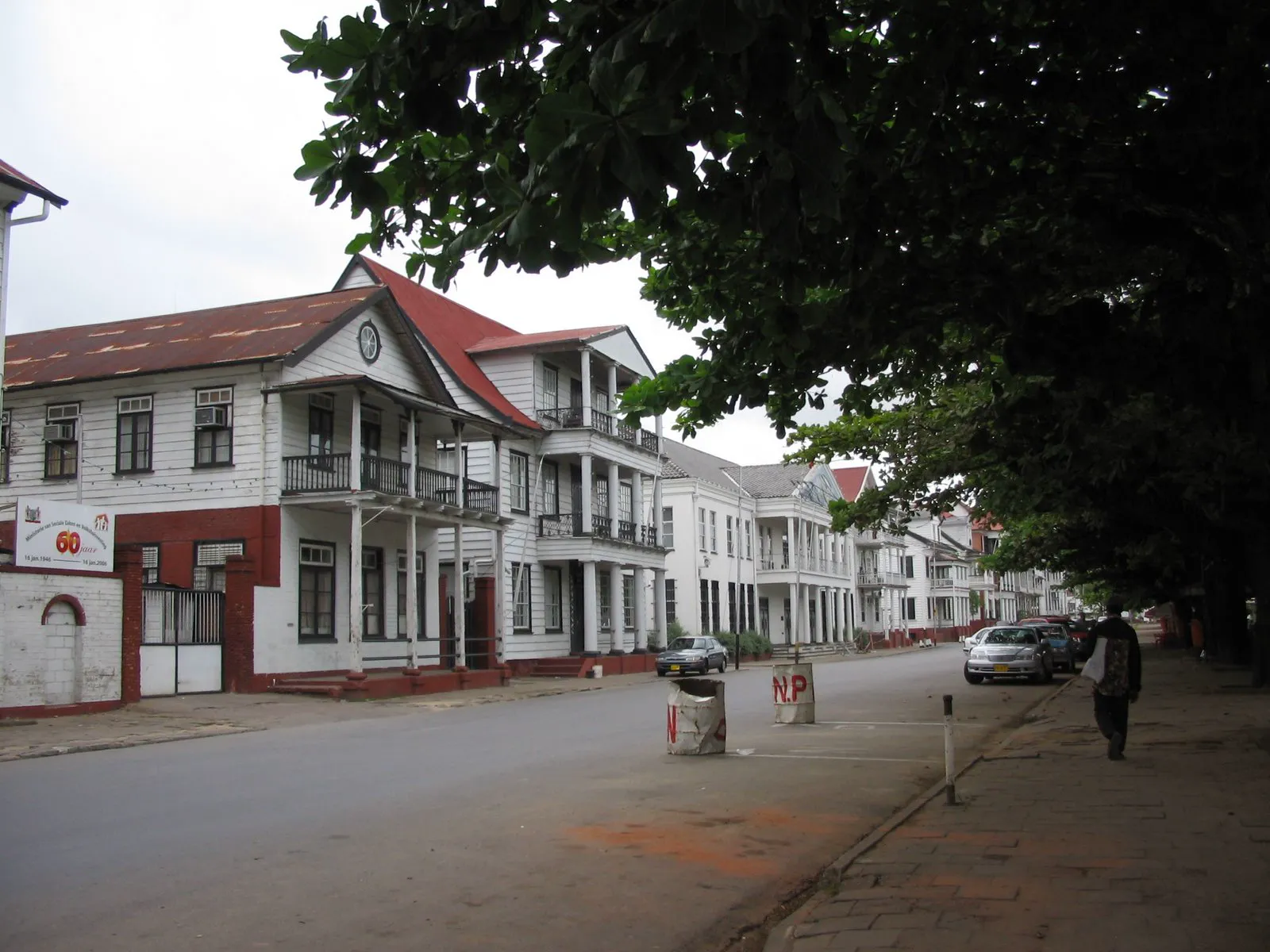 Suriname
 Suriname
: Money
Suriname's currency is the Surinamese dollar (SRD). The rate can fluctuate, so check current rates before you exchange. US dollars and euros are widely used alongside the local currency, especially for hotels and tours.
- Cash vs. card: Cash remains essential for markets, taxis, smaller restaurants and travel into the interior. Cards are accepted at some hotels, restaurants and shops in Paramaribo, but coverage is limited outside the capital. Some businesses quote prices in US dollars or euros; confirm the currency and the rate being used.
- ATMs and fees: ATMs are mainly found in Paramaribo, and not every machine accepts foreign cards. Withdraw what you need before leaving the city, and expect fees. Do not rely on ATMs upriver.
- Tipping: Restaurants may add a service charge; if not, rounding up or leaving around 10% is a kind gesture. Guides on river and rainforest trips are often tipped in cash.
- Exchanging money: Use banks or licensed exchange offices (cambios) and compare the posted rate with a current bank rate. Avoid informal offers. It is wise to bring some US dollars or euros in clean notes, as the Surinamese dollar can be hard to obtain before you arrive and is not easy to spend once you leave.
- Common scams: Confirm whether a price is in SRD or in dollars or euros before you pay, and count your change. Be cautious with unofficial money changers.