
 Uruguay
Photo by Davi Sanchez, CC BY 2.0, via Wikimedia Commons. Resized for this page.
Uruguay is a small, welcoming country with a relaxed rhythm, Atlantic beaches and a culture built around good food, wine and time spent together. Spanish is the official language. Montevideo, the capital, has a walkable old city, a long waterfront promenade known as the Rambla, and Mercado del Puerto, a lively market famous for its grills.
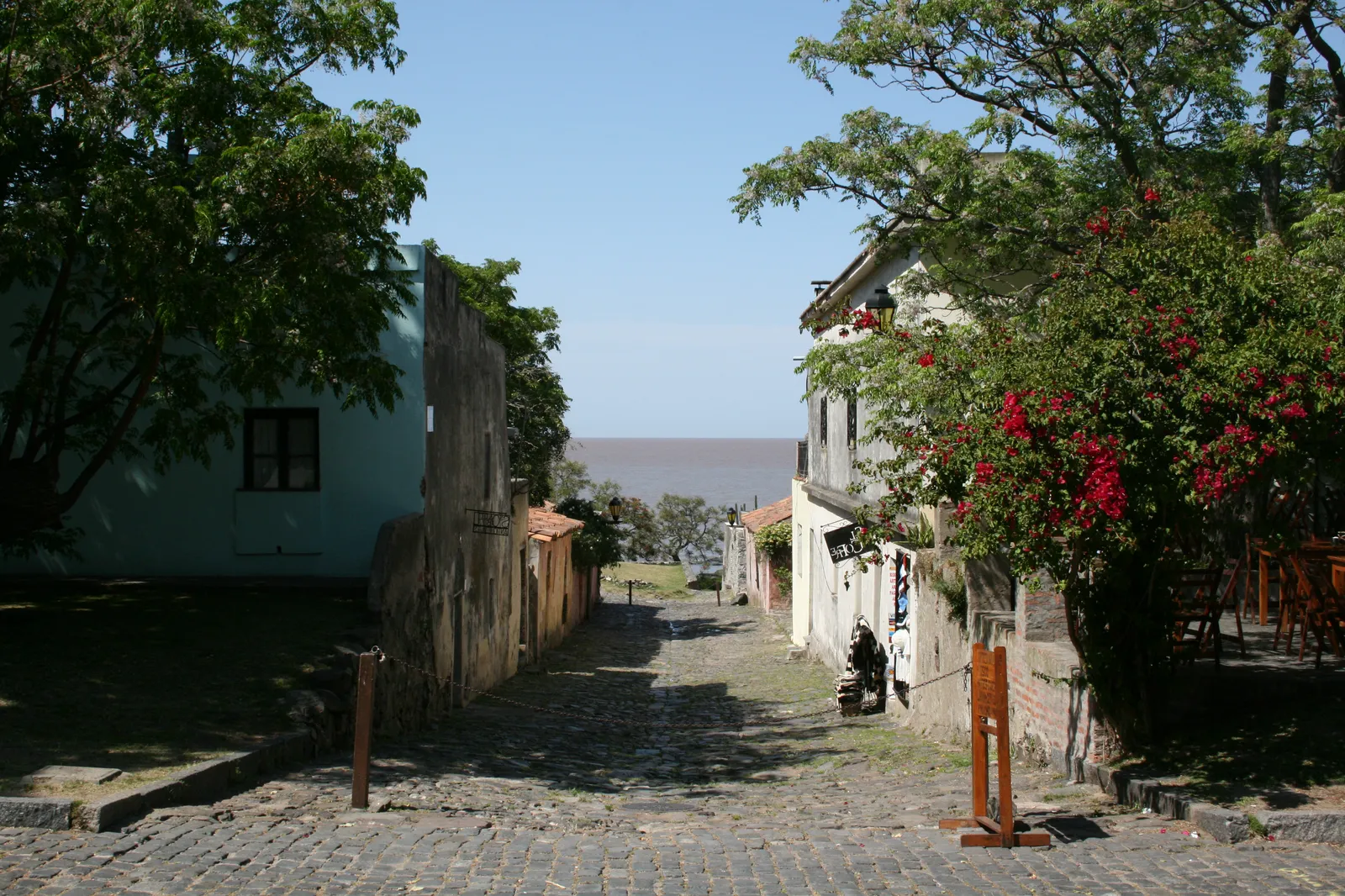
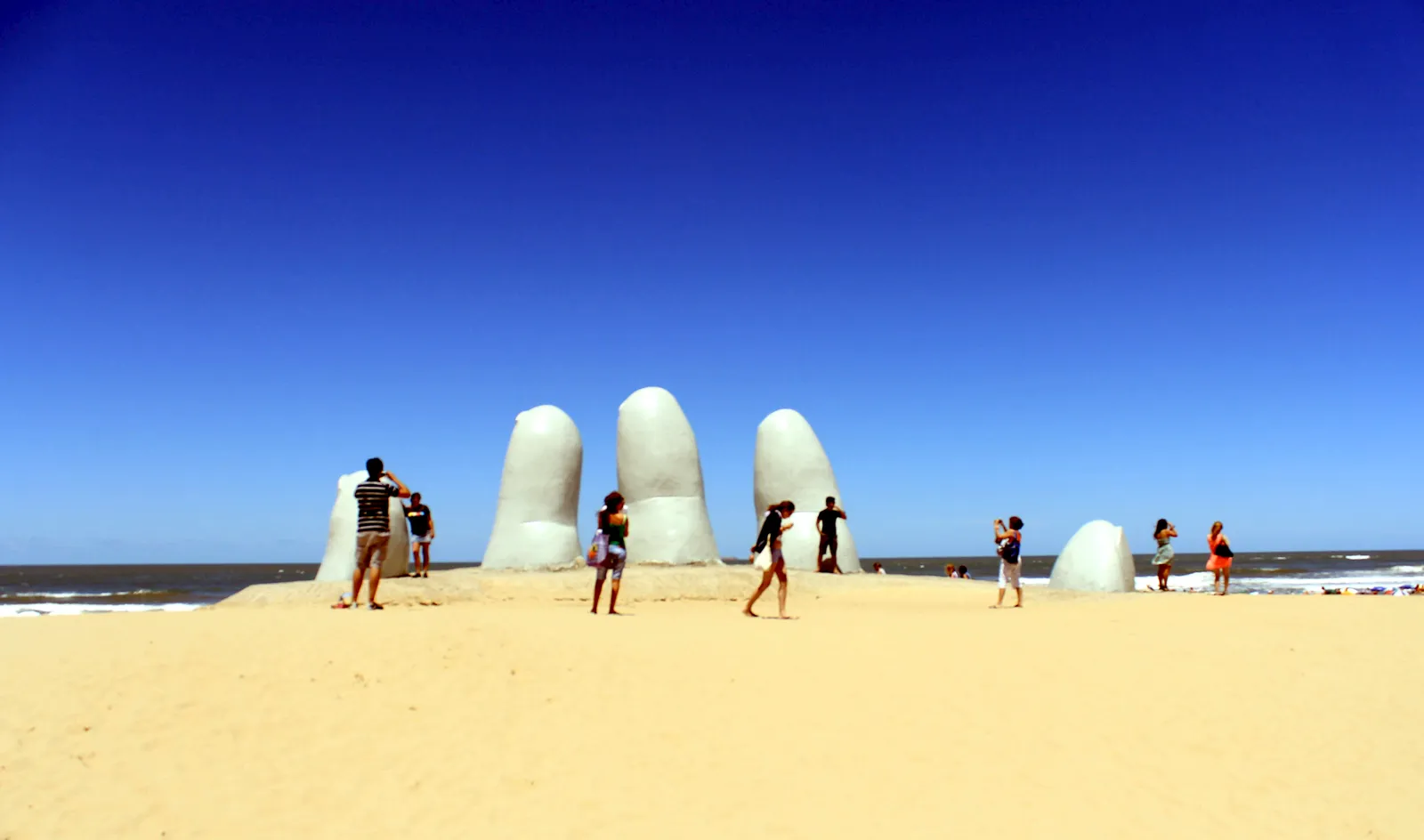
Just across the river from Buenos Aires, Colonia del Sacramento is a beautifully preserved historic town and a UNESCO World Heritage Site, with cobblestone streets and river views. In summer, Punta del Este draws visitors to its beaches and nightlife, while quieter stretches of coast, such as those around Rocha, offer a slower pace. Inland, vineyards produce Uruguay's distinctive Tannat wines, and the countryside is ideal for lingering over an asado.
The southern summer, from December to March, is peak beach season, especially in January. Spring and autumn are milder and less crowded, and still lovely for cities, wine country and the coast.
Uruguay
 Uruguay
 Uruguay
: Money
Uruguay's currency is the Uruguayan peso (UYU), written with a $ sign. Cards are widely used, and some places near the coast or the borders also accept US dollars or Brazilian reais.
- Cash vs. card: Credit and debit cards are accepted in most hotels, restaurants and shops in Montevideo, Colonia and Punta del Este. Carry some pesos for smaller beach towns, markets and rural stops. Foreign tourists may be exempt from VAT on hotel stays; the tax is usually left off the bill when you show a passport or foreign ID. In participating shops, you can also ask for a tax-free form on eligible goods, such as clothing, leather items, food, drinks and handicrafts, and validate it with customs when you leave the country.
- ATMs and fees: ATMs are easy to find in cities and resort towns. Fees may apply, so fewer, larger withdrawals are often more economical. Choose to be charged in pesos if the machine offers a conversion to your home currency.
- Tipping: Around 10% is customary in restaurants and is usually not included in the bill. Rounding up for taxis is common.
- Exchanging money: Banks and licensed exchange offices (casas de cambio) are plentiful in cities and at the airport, and rates are generally transparent.
- Common scams: Keep your card in sight, count your change in busy markets, and be cautious of ATM distractions in crowded areas.